
Developers across Microsoft’s Xbox division are speaking publicly about the emotional impact of the company’s latest round of layoffs, with many saying they were caught off guard despite weeks of speculation about significant workforce reductions.
Table of Contents
ToggleAmong those affected was Morgan Goin, a senior encounter designer at ZeniMax Online Studios who worked on The Elder Scrolls Online. Although employees had been aware that restructuring was being discussed internally, many did not expect the scale of the cuts or know which teams would be affected until decisions were announced.
The layoffs are part of a wider overhaul of Microsoft’s gaming business, which has seen thousands of jobs eliminated as the company reshapes its Xbox organization and concentrates investment on its largest gaming franchises.
 Photo Credit:Getty Images
Microsoft refocuses Xbox strategy
The restructuring follows the appointment of Xbox chief executive Asha Sharma, who told staff the business would undergo a reset aimed at creating a more focused organization.
Xbox leadership has indicated that future investment will prioritize major franchises with established audiences, including series such as Fallout. The company says the changes are intended to improve efficiency and position its gaming business for long-term growth, even as the restructuring affects multiple internal studios.
Reports published over recent days suggest the overhaul represents the largest workforce reduction in Xbox’s history, affecting development, publishing and support teams across Microsoft’s gaming operations.
ZeniMax Online among the hardest-hit studios
ZeniMax Online Studios, best known for developing The Elder Scrolls Online, has emerged as one of the studios most heavily affected by the layoffs.
Regulatory filings indicate that hundreds of positions were eliminated across ZeniMax, including more than 200 roles at ZeniMax Online Studios alone. The reductions add to previous workforce losses at the studio over the past year, significantly shrinking the team behind one of Xbox’s longest-running online role-playing games.
Other Xbox-owned developers, including Obsidian Entertainment, id Software and Bethesda-related teams, have also experienced substantial staff reductions as part of the broader restructuring.
Uncertainty across Microsoft’s gaming division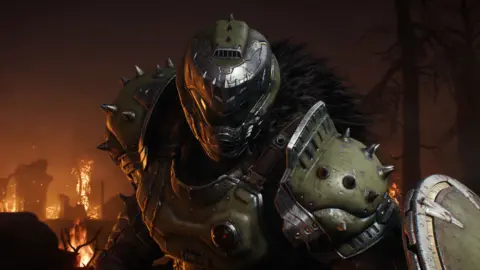 Photo Credit:ID Software
For many employees, the layoffs have created uncertainty about ongoing projects and future development plans.
Several reports indicate that workers had anticipated changes after internal discussions about restructuring, but many remained unsure about which projects or teams would be affected until notifications were delivered. The sudden nature of the announcements has prompted concern among remaining staff about workloads, studio capacity and the future of projects still in development.
The restructuring also follows several years of repeated workforce reductions across Microsoft’s gaming business after major acquisitions and organizational changes, reflecting broader pressures facing the video game industry.
Why the layoffs matter
The latest cuts arrive during a period of rapid change for the global games industry. Rising development costs, longer production cycles and increasing pressure to deliver blockbuster titles have led many publishers to reassess spending and studio structures.
For Microsoft, the changes represent an effort to streamline Xbox after years of expansion through acquisitions, including ZeniMax Media and Activision Blizzard. While the company has emphasized its commitment to flagship franchises, the scale of the layoffs has renewed debate over how major restructurings affect creative teams and long-term game development.
What comes next
Microsoft is expected to continue implementing its gaming strategy over the coming months as studios adjust to smaller teams and revised development priorities.
The immediate focus will be on maintaining progress on the company’s biggest franchises while integrating the restructuring across Xbox’s global operations. Industry observers will also be watching closely to see how the workforce changes influence future game releases and Microsoft’s broader position in an increasingly competitive gaming market