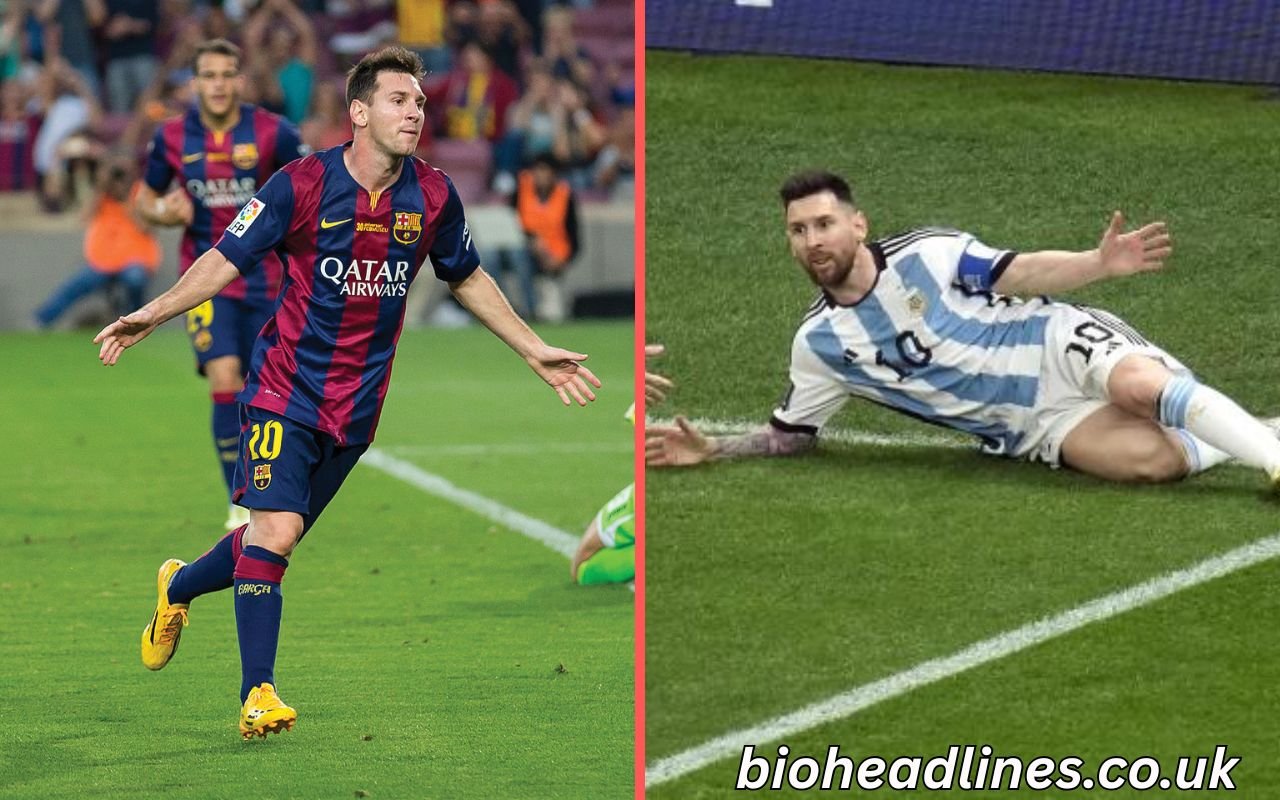
The question of who is the GOAT of soccer continues to dominate football conversations across the UK and beyond. Fans, analysts, and former players constantly revisit this topic because football is more than just a sport; it is an emotional and cultural experience. The phrase GOAT, meaning Greatest of All Time, represents the highest level of excellence a player can achieve, but defining it in football is far from simple.
Football’s global reach makes this debate even more interesting. Different regions and generations have their own heroes, shaped by what they witnessed growing up. For some, the magic of past legends defines greatness, while for others, modern-day consistency and statistics carry more weight. This diversity of opinion ensures that the debate remains active and evolving.
Understanding who is the GOAT of soccer requires a deep exploration of multiple factors, including skill, achievements, influence, and longevity. It is not just about who scored the most goals or won the most trophies, but about who changed the game and left a lasting legacy. This article will guide you through every important angle so you can form your own informed view.
What Does GOAT Mean in Soccer?
The term GOAT in soccer goes beyond simple performance metrics. It reflects a player’s complete dominance and influence on the sport over time. A GOAT-level player is someone who consistently performs at an elite level while also shaping how football is played and perceived.
In football, greatness is often measured through a combination of artistry and effectiveness. A player may have incredible technical ability, but without impact or achievements, they may not be considered the greatest. This balance between beauty and success is what makes the GOAT discussion unique compared to other sports.
Another key aspect of the GOAT concept is emotional connection. Fans often choose their greatest player based on personal experiences, memorable matches, and the feeling a player brings to the game. This emotional factor is why the debate is never purely objective and continues to inspire passionate arguments worldwide.
Key Criteria Used to Decide the GOAT
When analysing who is the GOAT of soccer, several important criteria are considered. These factors help create a fair comparison between players from different eras and playing styles.
- Skill and technical ability play a central role. This includes dribbling, passing, shooting, and overall intelligence on the pitch. A GOAT contender must demonstrate exceptional control and creativity.
- Achievements and trophies are equally important. Winning domestic leagues, European competitions, and international tournaments strengthens a player’s legacy significantly.
- Consistency and longevity separate great players from the greatest. Performing at the highest level for over a decade is a key trait of any GOAT candidate.
In addition to these, influence on the game and cultural impact also matter. A true GOAT is not just successful but transformative, inspiring future generations and leaving a permanent mark on football history.
The Legacy of Pelé
Pelé is widely regarded as one of the earliest and strongest candidates in the GOAT debate. His career in the mid-20th century helped bring football to a global audience, making him one of the sport’s first international superstars. His style combined skill, intelligence, and efficiency in a way that was revolutionary at the time.
One of Pelé’s most remarkable achievements is winning three FIFA World Cups with Brazil. This accomplishment remains unmatched and is often used as a key argument in his favour. His goal-scoring record, often cited as exceeding 1,000 goals, further strengthens his legendary status.
Beyond statistics, Pelé’s influence on football culture is immense. He helped shape the image of football as a beautiful and creative game. For many traditionalists, Pelé is still considered the true GOAT because of his impact during football’s formative years.
The Magic of Diego Maradona
Diego Maradona represents a different type of greatness. His career was defined by moments of brilliance that captured the imagination of fans worldwide. He was not just a player but a symbol of passion and individuality.
Maradona’s performance in the 1986 World Cup is often described as one of the greatest individual tournaments in football history. He led Argentina to victory with extraordinary skill and leadership, producing moments that are still talked about today.
At club level, Maradona’s impact at Napoli transformed the team into champions. His ability to carry a team and deliver under pressure is a major reason why many fans consider him the GOAT. His legacy goes beyond trophies, reflecting the emotional power of football.
The Brilliance of Lionel Messi
Lionel Messi is often seen as the most naturally gifted footballer in history. His playing style is smooth, precise, and highly intelligent, making him a joy to watch. His ability to dribble past defenders and create chances is unmatched in modern football.
Messi’s career is filled with incredible achievements, including numerous league titles and international success. His goal-scoring and playmaking abilities make him one of the most complete players the game has ever seen.
What truly sets Messi apart is his consistency and creativity. He influences every aspect of the game, from building attacks to finishing them. Many experts believe that his all-round ability gives him a strong claim as the GOAT of soccer.
The Power of Cristiano Ronaldo
Cristiano Ronaldo offers a different perspective on greatness. His career is built on hard work, discipline, and an unmatched drive to succeed. He is known for his physical strength, speed, and incredible goal-scoring ability.
Ronaldo has achieved success in multiple leagues, including England, Spain, and Italy. This adaptability is one of his strongest arguments in the GOAT debate. He has proven that he can excel in different environments and playing styles.
His consistency over many years is another key factor. Ronaldo has maintained peak performance well into his later career, setting records and breaking barriers. For many fans, his determination and achievements make him the greatest player of all time.
Comparing Different Eras in Football
One of the biggest challenges in deciding who is the GOAT of soccer is comparing players from different eras. Football has changed significantly over time, making direct comparisons difficult.
In earlier decades, players faced tougher pitches, less advanced training methods, and fewer protective rules. This made the game more physical and unpredictable. Legends like Pelé and Maradona thrived in these conditions, which adds weight to their achievements.
Modern players, on the other hand, benefit from advanced sports science, better facilities, and global competition. While this raises the overall standard of the game, it also makes it harder to stand out. This contrast between eras is why the GOAT debate remains unresolved.
The Role of Statistics in the GOAT Debate
Statistics are an important part of modern football analysis. Goals, assists, and records provide measurable evidence of a player’s performance. However, numbers alone cannot define greatness.
- Goals scored highlight a player’s effectiveness in front of goal, but they do not capture creativity or teamwork.
- Assists show a player’s ability to create opportunities, but they depend on teammates finishing chances.
- Records reflect consistency, but they may vary depending on the era and level of competition.
A true evaluation of the GOAT must combine statistics with qualitative factors such as influence, leadership, and style of play. This balanced approach provides a more accurate picture of greatness.
Cultural Impact and Global Influence
Football legends are not just athletes; they are global icons. Their influence extends beyond the pitch, shaping culture, fashion, and even social movements.
Pelé helped introduce football to new audiences around the world. Maradona became a symbol of national pride and resistance. Messi and Ronaldo have built global brands that influence millions of fans daily.
This cultural impact is an important part of the GOAT debate. A player who changes how people see and experience football holds a unique place in history. Their legacy is measured not only by trophies but also by the inspiration they provide.
Final Verdict: Who Is the GOAT of Soccer?
The answer to who is the GOAT of soccer ultimately depends on perspective. There is no single player who can be universally accepted as the greatest, as each contender brings something unique to the game.
Some fans prioritise World Cup success and historical influence, leading them to choose Pelé or Maradona. Others focus on modern achievements and consistency, favouring Messi or Ronaldo. Each viewpoint is valid and reflects different values in football.
In recent years, Lionel Messi has gained significant support as the GOAT due to his complete skill set and success at every level. However, Cristiano Ronaldo’s achievements and longevity keep him firmly in the conversation. The debate will likely continue for generations.
Conclusion
The discussion around who is the GOAT of soccer is one of the most engaging topics in sports. It brings together history, emotion, and analysis, creating a debate that never truly ends.
Each legendary player has contributed to football in their own way, shaping the sport and inspiring millions. Their stories, achievements, and styles of play make football the global phenomenon it is today.
Rather than searching for a definitive answer, it is more meaningful to appreciate the greatness of these players. The true beauty of football lies in its diversity, and the GOAT debate is a reflection of that richness.
You may also read: Relationship with Priscilla Presley