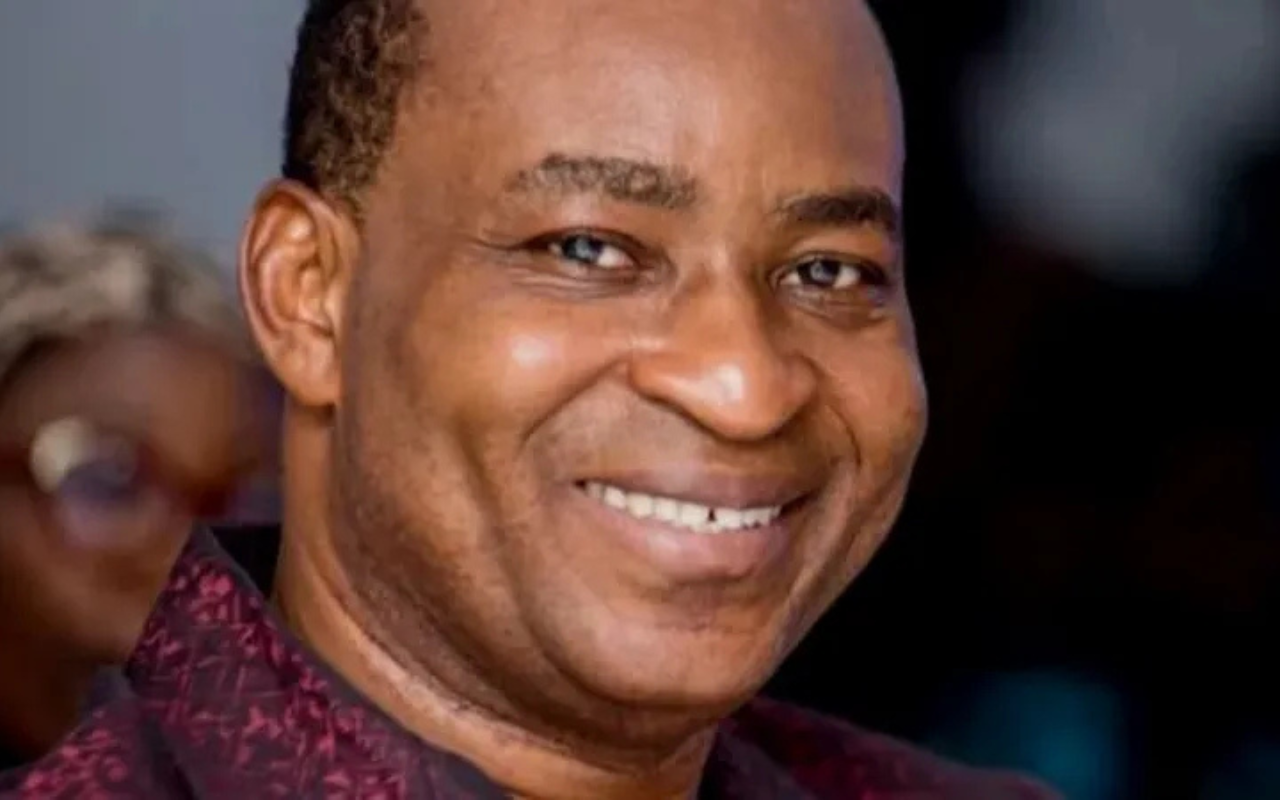
A Ghana High Court has handed Bernard Antwi Boasiako, widely known as Chairman Wontumi, a 20-year prison sentence with hard labour after convicting him of illegal mining offences linked to operations on a mining concession in the country’s Western Region. The court also imposed financial penalties exceeding $10,000, adding to one of the most significant judgments delivered in Ghana’s campaign against unlawful mining.
Table of Contents
ToggleBoasiako serves as the Ashanti Regional Chairman of the opposition New Patriotic Party (NPP), making him one of the country’s most influential political figures. His conviction is widely regarded as the first involving a senior Ghanaian politician since authorities intensified efforts to combat illegal mining in 2017.
Court Found Illegal Mining Laws Were Violated
The case centred on activities connected to Akonta Mining Company Limited and a mining concession at Samreboi. Prosecutors argued that mining operations proceeded without the approvals required under Ghana’s mining laws and that Boasiako facilitated those activities.
Justice Audrey Kocuvie-Tay ruled that prosecutors had proved the essential elements of the offences beyond reasonable doubt. The court convicted both Boasiako and his company on multiple counts before imposing the prison sentence and separate financial penalties.
Although Boasiako received two 20-year custodial sentences on separate counts, the terms are to run concurrently, meaning he will serve a maximum of 20 years unless the ruling is overturned on appeal.
Opposition Claims Political Motivation
The verdict has triggered a strong response from the New Patriotic Party, which rejected the judgment and described it as politically motivated.
Party officials announced plans to challenge the conviction in the Court of Appeal, arguing that the legal process was unfair. The NPP maintains that it will continue pursuing all available legal avenues on behalf of its regional chairman.
Why the Case Matters
Illegal mining, commonly known in Ghana as galamsey, has become one of the country’s most pressing environmental and governance challenges. Unlicensed mining has been blamed for widespread destruction of forests, contamination of rivers and water supplies, damage to farmland, and significant economic losses.
Successive governments have pledged to crack down on the practice, but enforcement has often faced criticism because of allegations that politically connected individuals escaped accountability. The conviction of such a senior political figure is therefore likely to be viewed as a major test of Ghana’s commitment to enforcing its mining laws regardless of political status.
What Happens Next
Boasiako’s legal team is expected to appeal the conviction, ensuring the case remains closely watched in Ghana’s legal and political circles. The outcome of the appeal could shape future enforcement efforts against illegal mining and influence public confidence in the country’s anti-corruption and environmental protection initiatives.