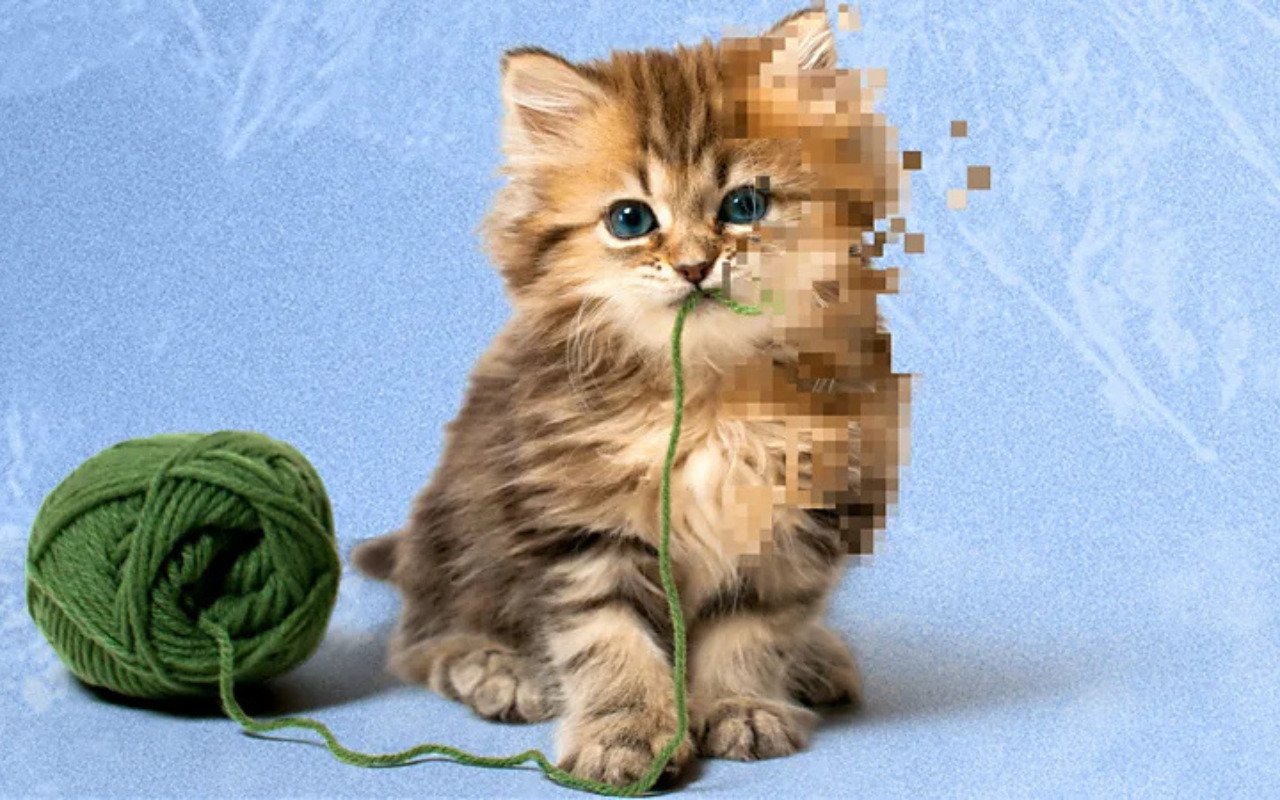
For years, adorable animal videos have offered a reliable source of light-hearted entertainment across the internet. Whether featuring playful kittens, curious dogs or unexpected wildlife encounters, these clips have attracted millions of viewers because they captured genuine moments. That sense of authenticity is now being challenged as artificial intelligence makes it increasingly easy to create realistic animal videos from scratch.
Table of Contents
ToggleAdvances in generative AI have allowed creators to produce convincing videos that often appear indistinguishable from real footage at first glance. While many viewers still enjoy the creativity behind these clips, others say the growing presence of AI-generated content has changed the way they experience videos that were once valued for their spontaneity and emotional appeal.
A Shift in How Viewers Respond
The popularity of pet content has long reflected the internet’s fascination with animals. Viral moments involving cats, dogs and other pets helped define the early culture of online platforms, turning ordinary animals into global celebrities and creating one of social media’s most enduring content categories.
Today, that familiarity is giving way to uncertainty. Rather than immediately enjoying a heartwarming clip, many viewers first wonder whether what they are watching is genuine. As AI-generated videos become more polished, distinguishing authentic footage from computer-created scenes is becoming increasingly difficult.
Why AI Animal Videos Are Spreading
The technology behind generative AI continues to improve rapidly, allowing users to create highly detailed images and videos with minimal technical expertise. Social media platforms, where eye-catching content often receives greater visibility, provide strong incentives for creators to experiment with AI-generated material.
Because these videos can be produced quickly and at relatively low cost, they are becoming more common across major online platforms. The result is a growing mix of authentic recordings and fictional creations that can be difficult for audiences to separate without additional context.
Trust Becomes a New Challenge
The rise of AI-generated animal videos highlights a broader issue facing the digital world: trust. As synthetic media becomes more convincing, viewers increasingly question not only entertainment content but also the authenticity of photos and videos shared online.
This shift reflects a wider challenge created by generative AI. Even harmless content, such as playful animal clips, now prompts greater skepticism because audiences know realistic digital creations are easier than ever to produce.
What It Means for Online Content
Artificial intelligence is expanding creative possibilities for digital storytelling, and many creators openly label AI-generated work as artistic or fictional. At the same time, the technology is changing audience expectations, with authenticity becoming a more important consideration for viewers seeking genuine experiences online.
As AI tools continue to evolve, platforms, creators and audiences will likely face growing pressure to improve transparency around digitally generated content. Clear labeling and responsible use of AI could play an important role in preserving trust while allowing creative experimentation to continue.
Looking Ahead
Cute animal videos remain one of the internet’s most popular forms of entertainment, but the rise of generative AI is reshaping how people engage with them. What was once accepted as a real-life moment is increasingly viewed with caution, reflecting a broader transformation in the relationship between technology, content creation and public trust.