In the mountains of southern Ecuador, a little-known genetic disorder is helping researchers explore one of medicine’s biggest challenges: preventing cancer before it begins.
Table of Contents
ToggleThe focus of that research is Laron syndrome, an inherited condition that limits normal growth by making the body resistant to growth hormone. People born with the disorder typically reach a height of around 1.2 metres (3.9 feet), but decades of medical research suggest they also experience unusually low rates of several major illnesses, including cancer and type 2 diabetes.
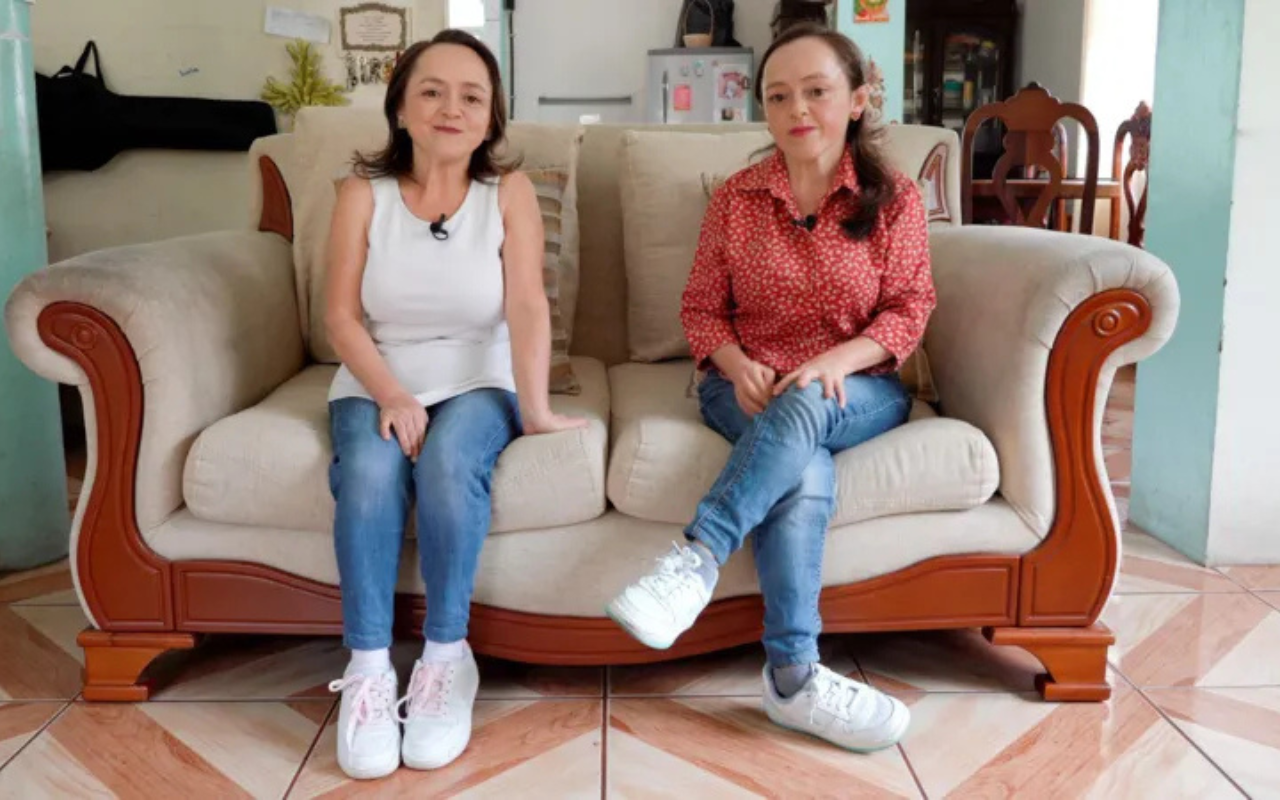
Among those living with the condition are twin sisters María Luisa Romero and María del Cisne, who have spent their lives supporting one another while navigating the daily challenges associated with the rare disorder.
Photo Credit:JORGE PEREZ / BBC
The sisters say their close bond has helped them face the physical and emotional difficulties that come with living in a world largely designed for people of average height.
Why Ecuador Has Become a Global Research Hub
The Andean town of Piñas, home to roughly 8,000 residents, has an unusually high concentration of people living with Laron syndrome. Scientists believe the area’s long-standing genetic isolation has contributed to the number of cases found there, making it one of the most important locations in the world for studying the condition.
Although Laron syndrome remains extremely rare worldwide, researchers have followed families in southern Ecuador for decades, creating one of the largest long-term studies of the disorder.
Their findings have drawn international interest because they suggest the condition does far more than affect height.
The Science Behind the Condition
Laron syndrome is caused by inherited mutations affecting the body’s growth hormone receptor. Although patients produce growth hormone, their bodies cannot respond to it properly, resulting in very low levels of insulin-like growth factor 1 (IGF-1), a protein essential for normal childhood growth.
Scientists believe those reduced IGF-1 levels may also limit biological pathways that help cancer cells grow and spread.
Long-term studies of Ecuadorian patients have reported remarkably few cases of cancer and diabetes among people with the syndrome when compared with their unaffected relatives, prompting researchers to investigate whether the same biological mechanisms could one day be replicated in people without the condition.
Hope for Future Cancer Prevention
Researchers stress that Laron syndrome itself is not a treatment, nor does it make people immune to disease. Instead, it provides a unique natural model for understanding how reduced growth signalling affects human health.
Scientists are exploring whether medicines or dietary approaches could safely reproduce some of the protective biological effects seen in patients with the syndrome. While laboratory and clinical research continues, any potential therapies remain under investigation and have not yet become standard medical treatments.
Living With Challenges Beyond Medical Research
Despite the scientific attention, daily life for people with Laron syndrome can be difficult. Short stature creates practical obstacles, while access to specialised healthcare remains limited for many families living in remote regions.
Advocates have also highlighted the challenges patients face in obtaining treatments aimed at improving growth during childhood, reflecting the broader difficulties often experienced by people with rare diseases.
For María Luisa and María del Cisne, the attention surrounding their condition offers hope that future generations may benefit from discoveries emerging from research into the syndrome.
What Comes Next
Researchers continue to monitor patients in Ecuador while expanding studies into the biological mechanisms behind the disorder’s apparent protection against certain age-related diseases.
Although much remains unknown, scientists believe understanding how Laron syndrome alters the body’s growth pathways could eventually contribute to new strategies for reducing cancer risk or improving treatments. For now, the rare condition remains an important source of insight into how genetics can shape long-term health—and how answers to some of medicine’s biggest questions may come from one of the world’s smallest patient populations.