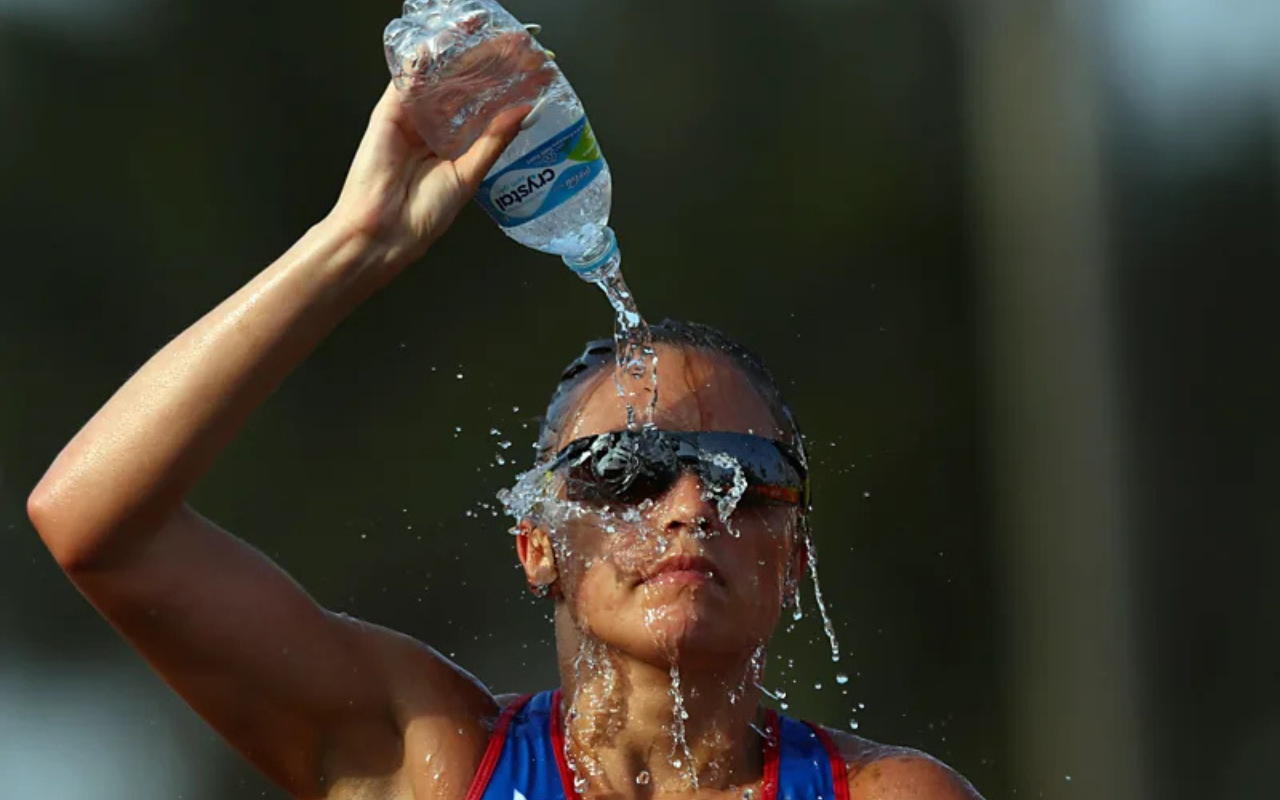
Rising temperatures are making outdoor exercise increasingly difficult across many parts of the world, prompting health experts to remind people that staying active remains important—but only when done safely.
Table of Contents
ToggleExtended periods of hot weather can place extra strain on the body, turning everyday activities such as walking, cycling, jogging, or playing sports into far more demanding tasks. While regular exercise is essential for long-term health, extreme heat raises the risk of dehydration, heat exhaustion, and, in severe cases, heatstroke.
Heat Is Changing the Way People Exercise
The challenge has become increasingly visible in elite sport. During the 2026 FIFA World Cup, played across the United States, Canada, and Mexico, organizers introduced additional hydration breaks midway through each half to help players cope with intense temperatures. The move highlighted how even highly trained athletes require adjustments when competing in extreme heat.
Scientists also warn that if people regularly skip physical activity whenever temperatures climb, it could contribute to long-term health problems associated with a more sedentary lifestyle. Finding safe ways to remain active is therefore becoming an important public health issue.
Why High Temperatures Put Extra Stress on the Body
Exercise naturally raises body temperature. In hot and humid conditions, the body has to work harder to cool itself, primarily through sweating and increased blood flow to the skin.
When these cooling mechanisms become overwhelmed—especially if fluid losses are not replaced—the risk of heat-related illness rises. Symptoms can begin with dizziness, muscle cramps, headaches, unusual fatigue, nausea, or heavy sweating. If body temperature continues to increase, heatstroke can develop, requiring immediate medical attention.
Tips for Exercising Safely in the Heat
Health specialists recommend adapting workouts rather than abandoning them altogether. Some of the most effective strategies include:
- Exercise during the coolest parts of the day, such as early morning or late evening.
- Drink water before, during, and after physical activity, even if you do not yet feel thirsty.
- Wear lightweight, breathable, and light-coloured clothing that allows sweat to evaporate efficiently.
- Reduce workout intensity or duration when temperatures or humidity are especially high.
- Choose shaded routes or indoor facilities whenever possible.
- Take regular breaks and avoid prolonged exposure to direct sunlight.
People should also avoid suddenly increasing exercise intensity during hot weather, as the body needs time to adapt to warmer conditions.
Who Faces the Greatest Risk?
Although anyone can experience heat-related illness, certain groups are more vulnerable. Older adults, young children, people with chronic medical conditions, and individuals who are not accustomed to exercising in hot weather may be at greater risk.
Athletes participating in prolonged or high-intensity activities should also monitor hydration carefully and pay close attention to early warning signs of overheating.
Climate Change Is Making Heat Safety More Important
Hotter summers and more frequent heatwaves are increasing the need for practical strategies that allow people to stay active without compromising their health. Researchers say that maintaining regular physical activity remains one of the best ways to support long-term wellbeing, but exercise routines may need to evolve as temperatures continue to rise.
Looking Ahead
Health experts stress that staying active and staying safe should go hand in hand. Rather than avoiding exercise altogether during warm periods, adjusting the timing, intensity, and location of workouts can help reduce health risks while preserving the many benefits of regular physical activity.
As extreme heat becomes a more common feature of summer, understanding how the body responds to high temperatures—and knowing when to slow down or stop—will play an increasingly important role in keeping people healthy and active.