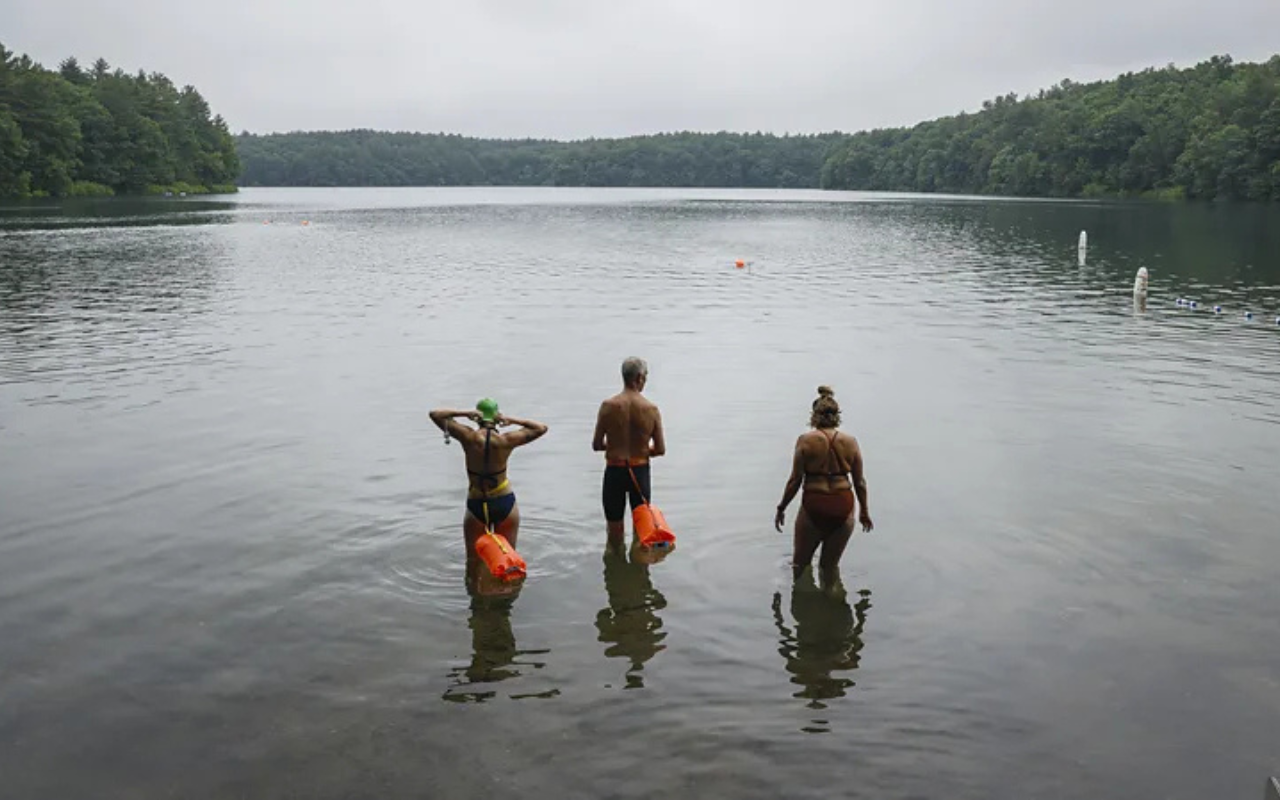
Rivers, lakes and coastal waters have become increasingly popular destinations for swimmers looking to escape crowded pools and enjoy the outdoors. For many, open water offers physical exercise, mental wellbeing and a stronger connection with nature.
Table of Contents
ToggleYet specialists say those benefits can be overshadowed when water quality deteriorates. Pollution from sewage discharges, runoff from farmland and naturally occurring harmful algal blooms can introduce a range of health hazards, particularly during warmer months or after periods of heavy rainfall.
Photo Credit: Getty Images
Why rainfall can increase the risks
One of the biggest warning signs comes after intense or prolonged rain.
Stormwater can overwhelm sewage systems, leading to the release of untreated wastewater into rivers and coastal areas. At the same time, rain washes animal waste, fertilizers and other pollutants from surrounding land into nearby waterways, increasing levels of bacteria and other contaminants.
Because contamination levels can change rapidly, water that appeared safe one day may present greater risks the next.
Illnesses linked to contaminated water
Health authorities warn that swimming in polluted water can result in a range of illnesses. The most common include stomach infections that cause diarrhea and vomiting, along with ear, eye and skin infections. Water entering the nose, mouth or open cuts can increase exposure to disease-causing organisms.
Although uncommon, more serious infections can also occur.
One example is leptospirosis, sometimes known as Weil’s disease, a bacterial infection spread through the urine of infected animals, particularly rodents. People can become infected if contaminated freshwater enters the body through cuts or mucous membranes. While most cases are mild, severe illness requiring hospital treatment is possible.
Toxic algae present another seasonal concern
Warm temperatures combined with nutrient-rich runoff can also encourage the growth of cyanobacteria, commonly called blue-green algae.
Some blooms produce toxins that may cause skin irritation, stomach problems or other health effects in people and can be especially dangerous for pets and wildlife. Authorities generally advise avoiding water that appears discolored, has thick surface scum or is subject to official algae warnings until testing confirms it is safe.
Checking conditions before swimming
Experts recommend treating open water conditions as changeable rather than constant.
Before entering rivers, lakes or coastal waters, swimmers are encouraged to check local water quality updates or pollution alerts, especially after heavy rain. Avoiding water with visible pollution, covering open wounds, trying not to swallow water and showering after a swim can all help reduce the likelihood of illness.
Many regular swimmers now rely on environmental monitoring services and mobile apps that provide real-time information on sewage releases, water quality and algae alerts before deciding whether conditions are suitable.
Balancing benefits with informed decisions
Despite the risks, public health experts do not discourage open water swimming altogether. Instead, they emphasize informed decision-making based on current environmental conditions.
As participation continues to grow, improved monitoring, better wastewater management and greater public awareness are expected to play an increasingly important role in helping swimmers enjoy natural waters while reducing the risk of preventable illness.