President Donald Trump has abandoned a controversial proposal to impose a 20% transit fee on commercial vessels passing through the Strait of Hormuz, replacing it with a strategy centered on trade and investment agreements with Gulf allies.
Table of Contents
ToggleThe reversal came only a day after Trump announced the fee, underscoring how quickly the administration’s approach to one of the world’s most strategically important waterways is evolving as the conflict with Iran continues.
Rapid Policy Reversal
On Monday, Trump said ships using the Strait of Hormuz—including those from allied nations—would be required to pay a 20% charge. He argued the money would help cover the costs of U.S. efforts to safeguard shipping through the narrow waterway, which carries a significant share of global oil exports.
By Tuesday, the White House had changed course.
Instead of pursuing the fee, Trump said the United States would seek broader trade and investment agreements with Gulf partners, suggesting those economic ties would provide a framework for continued security cooperation in the region. Under the revised approach, commercial traffic would continue to move through the strait while the U.S. maintained restrictions targeting Iranian-linked shipping.
Strait of Hormuz Remains at the Center of the Crisis
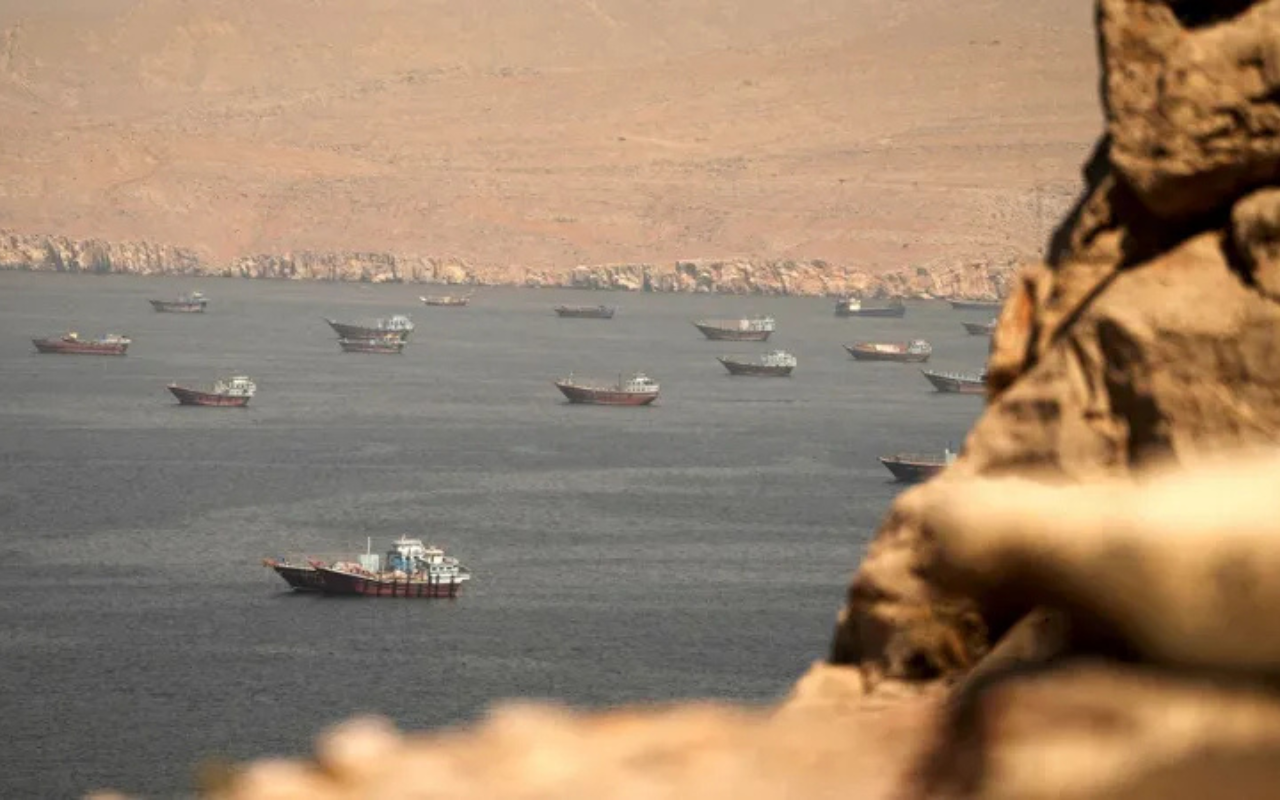
The Strait of Hormuz has become a focal point of the confrontation between Washington and Tehran. The narrow passage connects the Persian Gulf to global markets and is one of the world’s busiest energy shipping routes.
Recent military escalation has disrupted commercial traffic and raised concerns over global energy supplies. The United States has continued naval operations aimed at protecting maritime routes while increasing pressure on Iran through military and economic measures.
Economic Concerns Shape the Debate
Trump’s original toll proposal drew immediate attention because of its potential impact on international trade and energy markets. Analysts warned that additional shipping costs could have increased pressure on oil prices at a time when markets were already reacting to heightened geopolitical tensions.
After the proposal was withdrawn, crude oil prices eased from their intraday highs, reflecting reduced concerns over an immediate increase in shipping costs through the strait.
Diplomatic Challenges Continue
The policy shift comes as the administration continues searching for a strategy that combines military pressure with diplomatic and economic leverage.
Although Washington has emphasized the importance of keeping the Strait of Hormuz open to international shipping, negotiations with Iran remain difficult. Previous rounds of indirect talks have focused on maritime security and broader regional issues, but a lasting agreement has yet to emerge.
What Comes Next
For now, the United States appears to be prioritizing stronger economic partnerships with Gulf states instead of asking international shipping companies to finance maritime security directly.
Whether that approach will help reduce tensions remains uncertain. The Strait of Hormuz continues to be a critical flashpoint, and developments in the coming weeks are likely to influence both regional security and global energy markets as diplomatic efforts and military operations continue side by side.