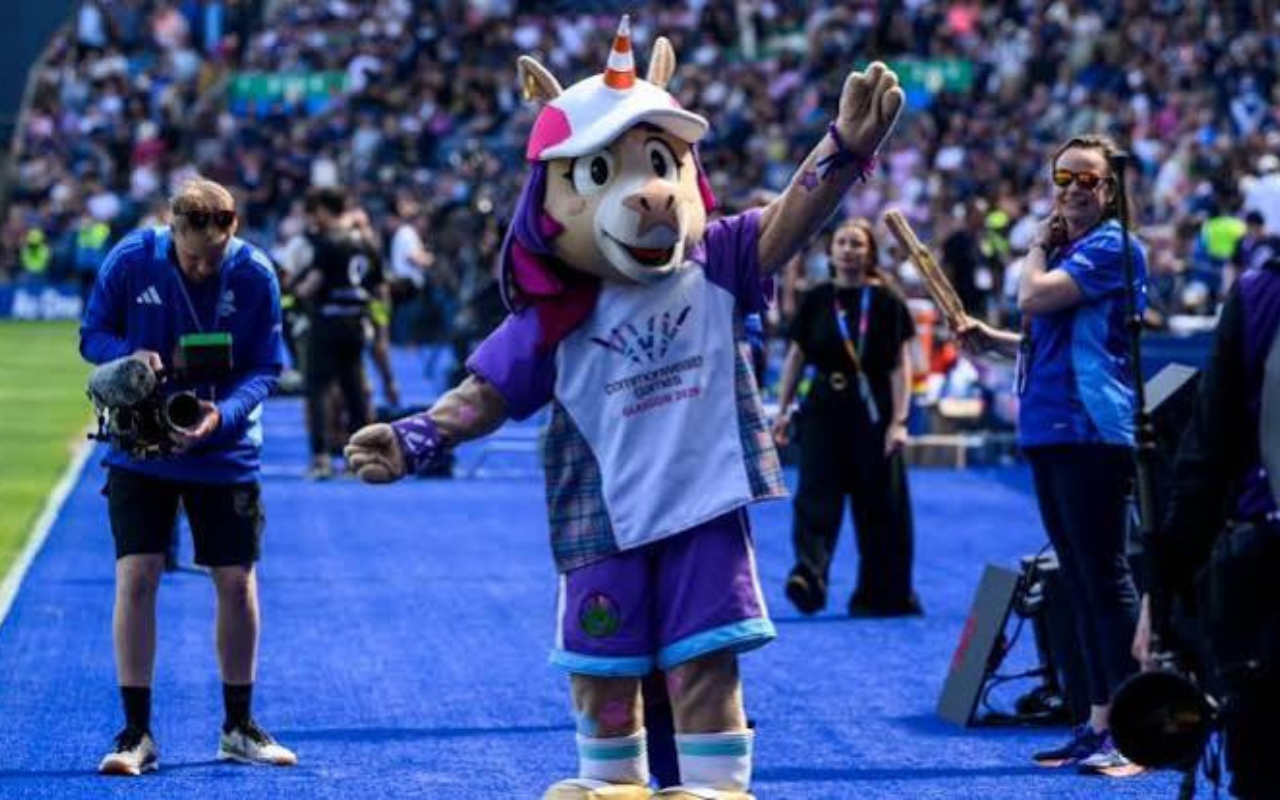
Glasgow is once again preparing to welcome athletes from across the Commonwealth, but this year’s Games will present a noticeably different picture from the spectacle the city staged in 2014.
Table of Contents
ToggleMore than 3,000 competitors representing 74 Commonwealth Games Associations are expected to take part in the 11-day event, which has been redesigned around a smaller sporting programme and a more sustainable financial model. Rather than building new facilities, organizers have relied on existing venues across the city while reducing the overall scale of the competition.
A More Compact Version of the Games
The 2026 Commonwealth Games emerged after Australia’s state of Victoria withdrew as host because of escalating projected costs, leaving the event searching for a new home. Glasgow stepped forward with a proposal centered on affordability, using facilities already in place and trimming the number of sports compared with previous editions.
Athletics, one of the Games’ headline attractions, will be staged at Scotstoun Stadium, where temporary upgrades have expanded capacity to around 11,000 spectators. The venue is considerably smaller than Hampden Park, where tens of thousands watched sprint legend Usain Bolt compete during Glasgow’s memorable 2014 Games.
Photo Credit:PAMedia
Josh Kerr Among the Leading Home Hopes
One of the biggest names expected to draw Scottish support is middle-distance runner Josh Kerr, who arrives after recently setting a new world record in the mile. His appearance carries added significance as the Commonwealth Games bring the mile back to the athletics programme for the first time in decades.
Kerr is among several established stars expected to compete, alongside Olympic and world champions from across the Commonwealth. Organizers hope their presence will help generate excitement despite the event’s reduced scale.
Sustainability at the Heart of the Event
Unlike many previous multi-sport events, Glasgow 2026 has focused on keeping costs under control. Existing sporting venues are being reused across the city, limiting the need for major construction projects while allowing competition to be staged within a relatively compact area.
The streamlined programme includes 10 sports, with six featuring Para events. Organizers have also introduced the largest Para sport programme in Commonwealth Games history, reflecting a broader emphasis on inclusion while maintaining a more financially sustainable model.
Atmosphere Remains a Priority
Although attendance figures and ticket availability have attracted attention in the lead-up to the opening ceremony, officials remain confident supporters will create the energetic atmosphere for which Scottish sporting crowds are known. Several events have generated strong interest, and organizers expect enthusiasm to build as competition begins.
The city also hopes its experience from hosting major sporting events, including the 2014 Commonwealth Games, will help deliver a successful tournament despite the tighter budget and smaller footprint.
What the Games Could Mean for the Future
Beyond the medals, Glasgow 2026 is being closely watched as a possible blueprint for hosting major international sporting events at lower cost. If the model proves successful, it could influence how future Commonwealth Games are organized, making the competition more attractive to prospective host cities facing rising financial pressures.
As athletes begin their campaigns across Glasgow’s venues, the city faces the challenge of showing that a smaller Commonwealth Games can still deliver elite competition, passionate crowds and a memorable international sporting celebration