The conflict surrounding Iran widened on Thursday after Yemen’s Iran-backed Houthi movement claimed responsibility for attacking two Saudi oil tankers in the Red Sea, while the United States launched another round of overnight strikes on Iranian targets.
Table of Contents
ToggleIf confirmed, the reported assault would represent the first maritime attack since the Houthis announced a “maritime embargo” against Saudi Arabia. The developments add fresh uncertainty to shipping through the Red Sea at a time when tensions across the Gulf remain elevated.
Houthis Name Two Tankers
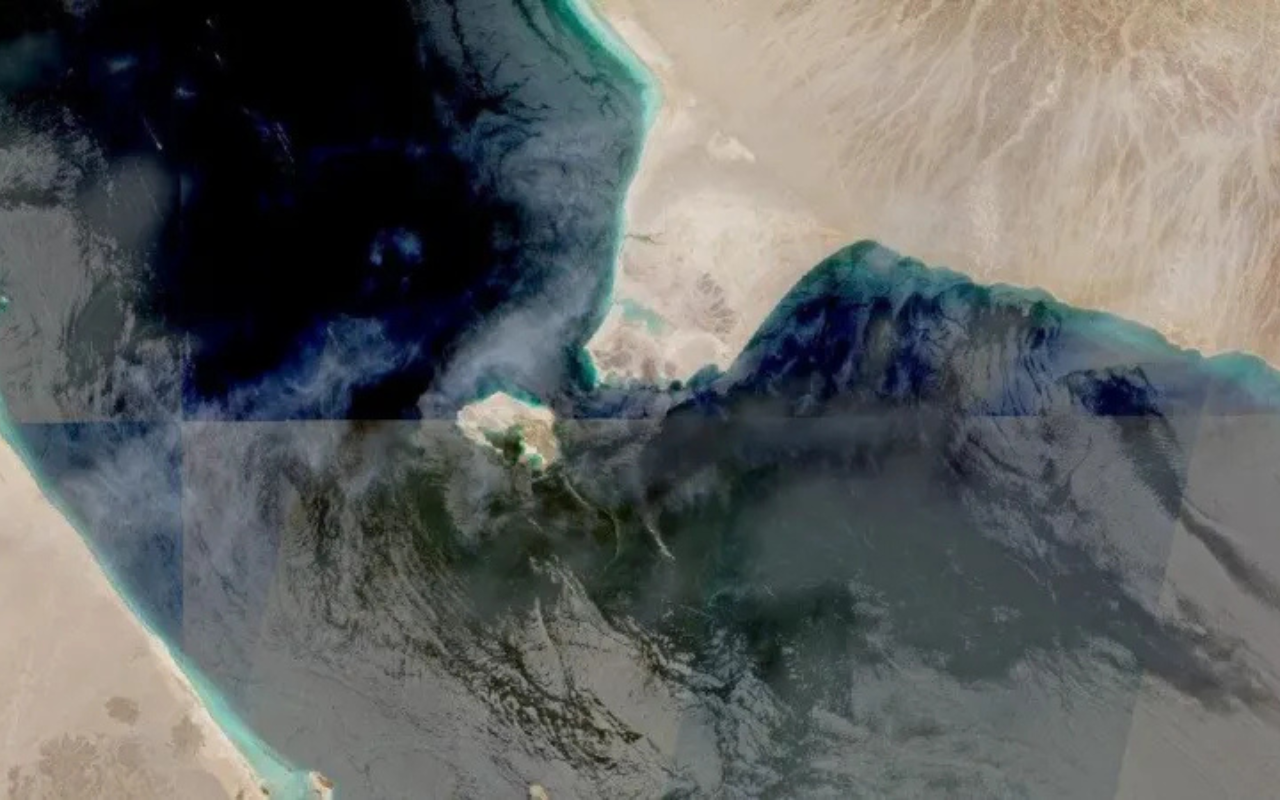
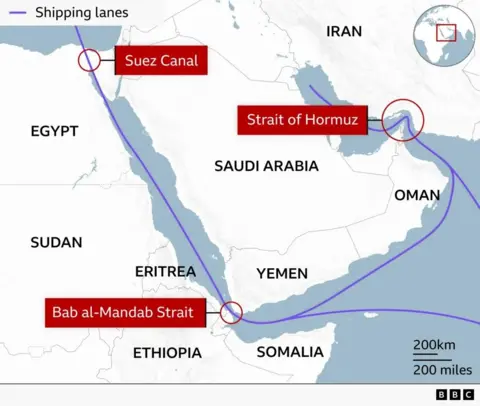
The Houthis said they had targeted two Saudi oil tankers, identified as Encelia and Layla, in the Red Sea. The group has also declared that it has closed the Bab al-Mandab Strait, a strategic maritime chokepoint linking the Red Sea with the Gulf of Aden.
Independent confirmation of the Houthi claims has not been established. Saudi authorities have said the crew aboard the Encelia remained safe despite reports that the vessel caught fire during the incident.
US Continues Air Campaign Against Iran
The reported tanker attack came as US forces carried out their 12th consecutive night of strikes against targets inside Iran.
Iranian state media reported that two people were killed in Wednesday’s attacks. Separately, reports indicated that a tanker caught fire following an explosion along a mined shipping route in the Strait of Hormuz, another critical artery for global energy exports.
Before the latest strikes, US President Donald Trump warned that the United States would respond forcefully if Iran targeted vessels passing through the Strait of Hormuz. He also pledged action against the Houthis should they attempt to block traffic through the Red Sea.
Two Strategic Waterways Under Pressure
The latest developments have placed attention on two of the world’s most important maritime corridors.
The Bab al-Mandab Strait serves as the southern entrance to the Red Sea and is a key route for cargo and energy shipments travelling between Europe and Asia through the Suez Canal.
The Strait of Hormuz, located between Iran and Oman, is one of the world’s busiest oil transit routes, carrying a significant share of globally traded crude oil and liquefied natural gas.
Disruptions in either waterway can affect shipping costs, insurance premiums and international energy markets.
Regional Tensions Continue to Rise
The reported Houthi attack opens another front in an already expanding regional confrontation involving Iran, its allied groups and the United States. Maritime security agencies and governments are closely monitoring commercial shipping as concerns grow over the safety of vessels operating in the Red Sea and the Gulf.
Oil prices have also climbed as traders weigh the possibility of prolonged disruption to major shipping lanes, although analysts say sustained market impacts will depend on whether attacks continue and whether commercial traffic faces significant interruptions.
What Happens Next
Officials are expected to continue assessing the reported attacks on the two tankers while shipping companies review security measures for vessels operating in the region. Any confirmed escalation around the Bab al-Mandab Strait or the Strait of Hormuz could prompt further military responses and renewed efforts to safeguard international shipping routes.
With fighting between the United States and Iran continuing and regional proxy groups becoming more active, the security of Middle Eastern energy corridors is likely to remain a central focus for governments and global markets in the coming days.