
Public mourning over the deadly attack at Berlin’s Pride celebrations has quickly turned into a broader debate about Germany’s handling of convicted extremists after authorities disclosed that the suspected attacker had recently been freed despite a lengthy criminal history.
Table of Contents
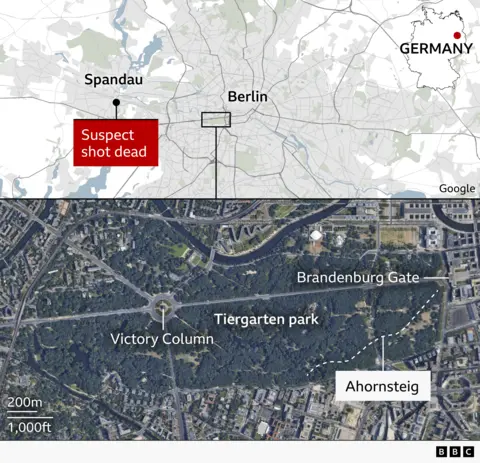
ToggleThe attack, which took place during Berlin’s Christopher Street Day festivities on Saturday evening, claimed the life of a Polish woman and injured at least 29 others. Police identified the suspect as 21-year-old Abdul Ballout, a German citizen of Lebanese heritage. He was shot dead by officers on Sunday after a manhunt when he reportedly threatened police with a weapon.
Interior Minister Details Suspect’s Criminal Background
Germany’s Interior Minister, Alexander Dobrindt, said Ballout had long been known to authorities because of repeated criminal offences, signs of radicalization and links to the Islamist extremist scene. The disclosure has prompted criticism over why someone considered a potential security risk was no longer in custody at the time of the attack.
According to officials, Ballout had previously been convicted on terrorism-related charges connected to preparations for extremist violence. Despite those concerns, he was released under a court decision that concluded he did not present a sufficient risk of fleeing or immediately reoffending, a judgment now facing intense public and political scrutiny.
Grief Turns Into Calls for Accountability
On Sunday, mourners gathered near Berlin’s Brandenburg Gate to honor the victims of the attack. The vigil reflected both sorrow and growing frustration, with many questioning whether warning signs had been overlooked.
The incident has reignited debate over Germany’s approach to monitoring convicted extremists, the use of juvenile sentencing laws in serious terrorism cases and whether existing surveillance powers are sufficient to prevent future attacks.
Government Signals Possible Security Reforms
The attack has already triggered calls for changes to Germany’s security and judicial policies. Dobrindt has argued for tougher measures against high-risk extremist offenders, including broader use of electronic monitoring and stronger preventive detention powers for dangerous suspects. Chancellor Friedrich Merz has also indicated that the government intends to review existing security arrangements following the tragedy.
The case is expected to remain at the center of political debate as investigators continue examining the attack and lawmakers consider whether legal reforms are needed to address gaps in Germany’s counterterrorism framework.
Investigation Continues
Authorities continue to investigate the circumstances surrounding the attack, including the suspect’s path to radicalization and the decisions that led to his release. Officials have indicated that the findings will play a key role in determining whether changes to Germany’s justice and security systems are required.
For many in Berlin, the focus remains on supporting the victims and their families while seeking answers about how a known extremist was able to carry out one of the country’s deadliest attacks on the LGBTQ+ community in recent years.