Ukraine has dismissed Iran’s threats of retaliation after a Ukrainian strike targeted an Iranian cargo vessel in the Caspian Sea, an incident that has brought the conflicts involving Ukraine and Iran into direct contact for the first time.
Table of Contents
ToggleUkrainian Foreign Minister Andrii Sybiha said Tehran’s accusations were without merit, arguing that Iran has actively supported Russia’s military campaign by supplying weapons used against Ukrainian targets since Russia launched its full-scale invasion in 2022. According to Sybiha, Iran cannot portray itself as an uninvolved party while continuing to assist Moscow’s war effort.
Strike Raises Stakes Beyond Ukraine
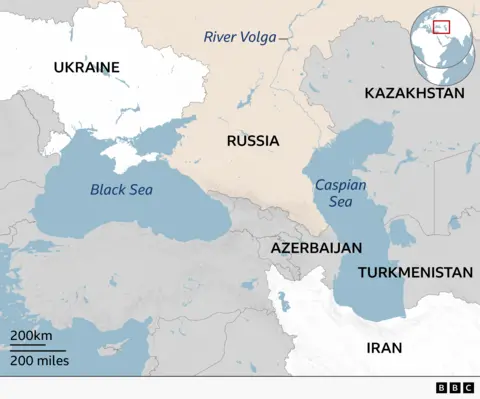
The Caspian Sea has become an increasingly important logistical corridor linking Russia and Iran, allowing goods and military-related cargo to move between the two countries away from more heavily monitored international shipping routes.
Ukrainian officials have said vessels operating along this route have been involved in transporting supplies that support Russia’s military operations. President Volodymyr Zelenskyy has stated that Ukrainian forces struck ships connected to that supply network as part of efforts to disrupt Russian military logistics.
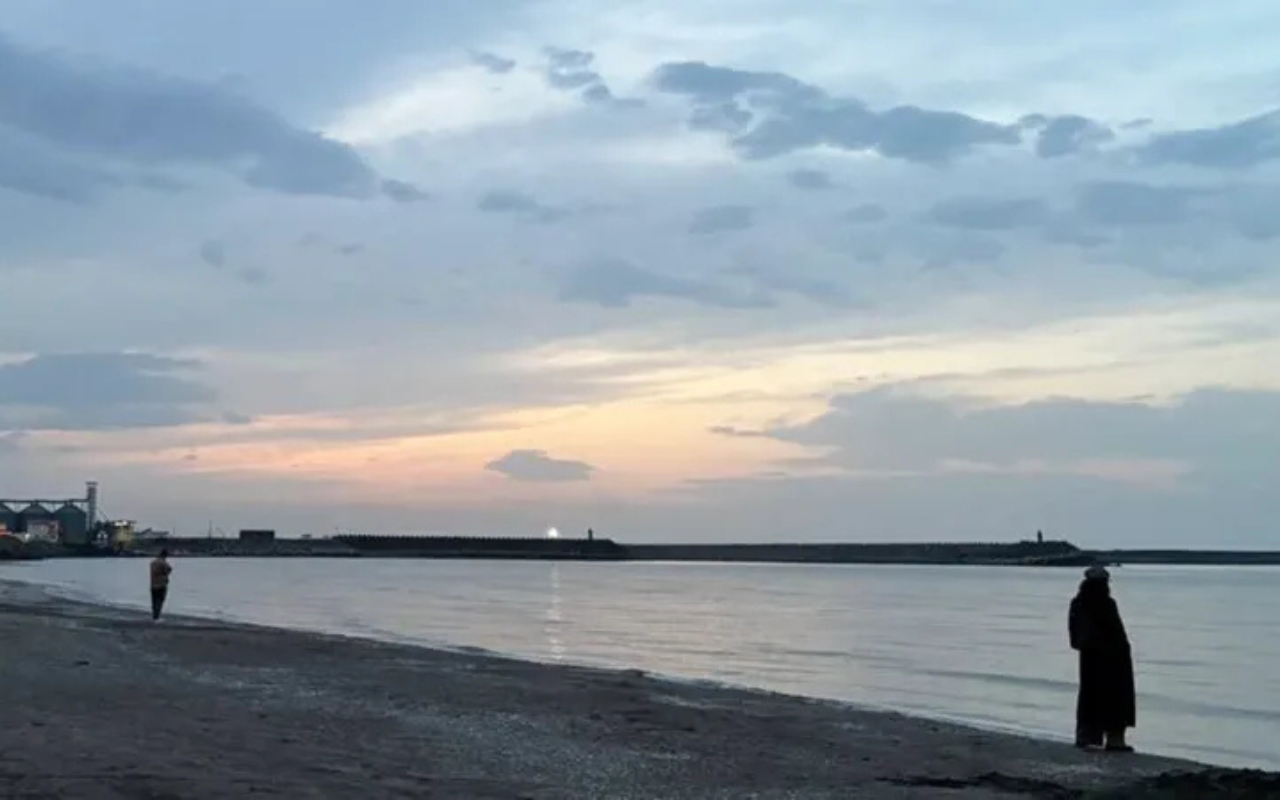
Iran, meanwhile, says the attack hit a commercial vessel, killing one sailor and injuring another. Tehran condemned the operation as a hostile act, summoned Ukraine’s chargé d’affaires and warned that the incident would not go unanswered.
Longstanding Dispute Over Military Support
Relations between Kyiv and Tehran have been strained for years over allegations that Iran has supplied Russia with drones used in attacks across Ukraine. Ukrainian officials have repeatedly argued that Iranian-made weapons have contributed to civilian casualties and damage to critical infrastructure.
Iran has consistently denied providing military assistance intended for Russia’s war in Ukraine, although the issue has remained a persistent source of diplomatic tension between the two countries.
Why the Incident Matters
The latest confrontation signals a significant expansion in the geographic reach of the war. Rather than remaining confined to Ukrainian territory and occupied regions, military operations are now affecting strategic supply routes that stretch into the Caspian region.
Security analysts view the strike as evidence that Ukraine is increasingly targeting the broader logistical network supporting Russia’s military campaign, while Iran’s strong response reflects the strategic importance of its partnership with Moscow.
What Comes Next
Although Iran has vowed retaliation, it has not publicly outlined what form any response could take. Diplomatic tensions are expected to remain high as both governments exchange accusations over the incident.
The strike is also likely to draw closer international scrutiny of the Russia-Iran partnership and the role of the Caspian Sea as a critical transport corridor for military-related supplies. As the conflict evolves, developments beyond the traditional battlefield may play an increasingly important role in shaping the wider security landscape.