China’s emergency authorities are facing a growing digital challenge as artificial intelligence-generated videos circulate online during major natural disasters, complicating rescue efforts and increasing the risk of public panic.
Table of Contents
ToggleThe concern has intensified following Typhoon Noul, which struck the country over the weekend, adding to months of destructive storms and widespread flooding. While emergency teams continue recovery work in affected regions, officials are also trying to prevent false online content from undermining public safety.
Advances in generative AI have made it easier than ever to produce realistic-looking videos and images that can spread rapidly across social media platforms, often before they can be verified or removed.
Fake Disaster Footage Spreads During Flood Season
Photo Credit: Social media
Recent flooding across several provinces has been accompanied by a wave of fabricated videos and manipulated images.
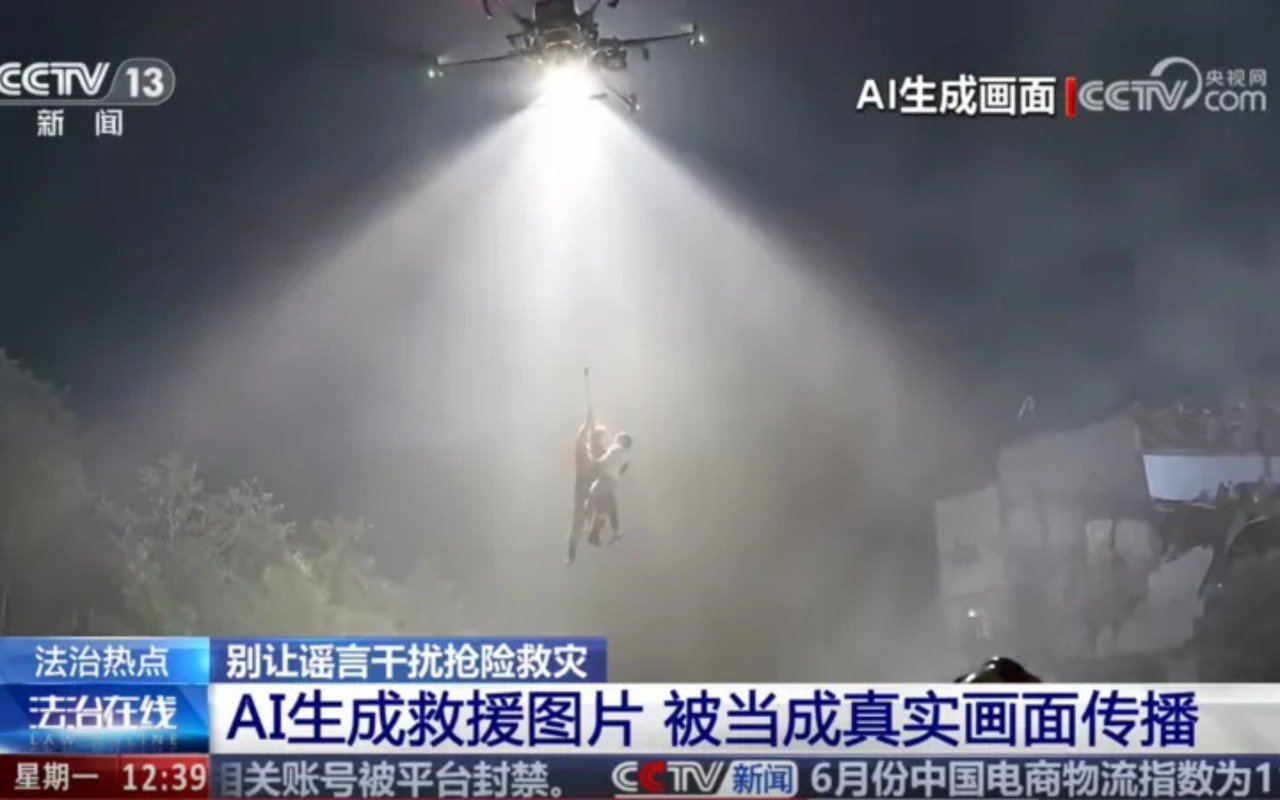
Among the misleading posts shared online were videos falsely claiming that bodies were floating through floodwaters, clips exaggerating flooding in places that had not been affected, and fabricated depictions of emergency response operations. Although many of these posts appeared convincing, authorities said they did not reflect actual conditions on the ground.
Officials worry that such content can distract rescue agencies and make it harder for residents to identify trustworthy information during fast-moving emergencies.
False Claims Trigger Public Anxiety
Some misleading videos have had real-world consequences beyond online confusion.
Authorities reported instances in which fabricated claims about widespread power outages encouraged residents in certain communities to rush out and purchase emergency supplies. Panic buying can place additional strain on local resources at a time when disaster response teams are already dealing with damaged infrastructure and evacuations.
Emergency officials have repeatedly urged the public to rely on verified government updates rather than unconfirmed social media posts during severe weather events.
Real Events Become Targets for Fabricated Content
In several cases, AI-generated material has been built around genuine news events.
After heavy flooding struck Hengzhou in Guangxi earlier this month, hundreds of snakes reportedly escaped from a breeding facility. The unusual incident quickly gained attention online.
Soon afterward, fabricated images began circulating that falsely claimed crocodiles had also been released into nearby rivers. Officials dismissed those images as fake, highlighting how genuine events can be distorted into more dramatic stories that spread quickly online.
Government Intensifies Crackdown on Online Rumors
Chinese authorities have stepped up efforts to curb disaster-related misinformation during this year’s flood season.
The Cyberspace Administration of China and the Ministry of Emergency Management have launched a nationwide campaign targeting fabricated disaster footage, recycled videos presented as current events, fake official announcements, AI-generated misinformation and online scams linked to emergencies.
Police have warned that individuals who create or knowingly spread false disaster information could face legal consequences, while urging internet users to verify content before sharing it.
AI Creates New Challenges for Emergency Communication
China has invested heavily in artificial intelligence technologies, promoting their use across industries ranging from manufacturing to healthcare. The same technological advances, though, have lowered the barrier for producing convincing fake images and videos.
Experts have increasingly warned that AI-generated misinformation poses particular risks during disasters, when people urgently seek information and may be more likely to share unverified content. Research has suggested that rapid identification of false information and improved public media literacy are becoming essential parts of modern disaster management.
Why It Matters
Extreme weather events are becoming more frequent and severe, making accurate public communication increasingly important during emergencies. False information can divert emergency resources, create unnecessary fear and reduce confidence in official updates when timely decisions may affect public safety.
As China continues responding to floods, typhoons and other natural disasters, officials are expected to place greater emphasis on identifying AI-generated misinformation alongside traditional rescue and recovery operations. The growing overlap between advanced AI tools and emergency management is likely to remain a major challenge for authorities in the years ahead.