International perceptions of China have strengthened while confidence in the United States has weakened, according to a newly released survey by the Pew Research Center. The findings represent a notable shift in global opinion, with China now receiving more favorable ratings than the U.S. across many of the countries included in the research.
Table of Contents
ToggleThe survey, conducted across 37 countries, found that a median of 51% of respondents viewed China favorably, compared with 39% holding an unfavorable opinion. It is the first time Pew has reported China outperforming the United States on overall favorability in much of its long-running international polling.
Views of Leaders Reflect Broader Trends
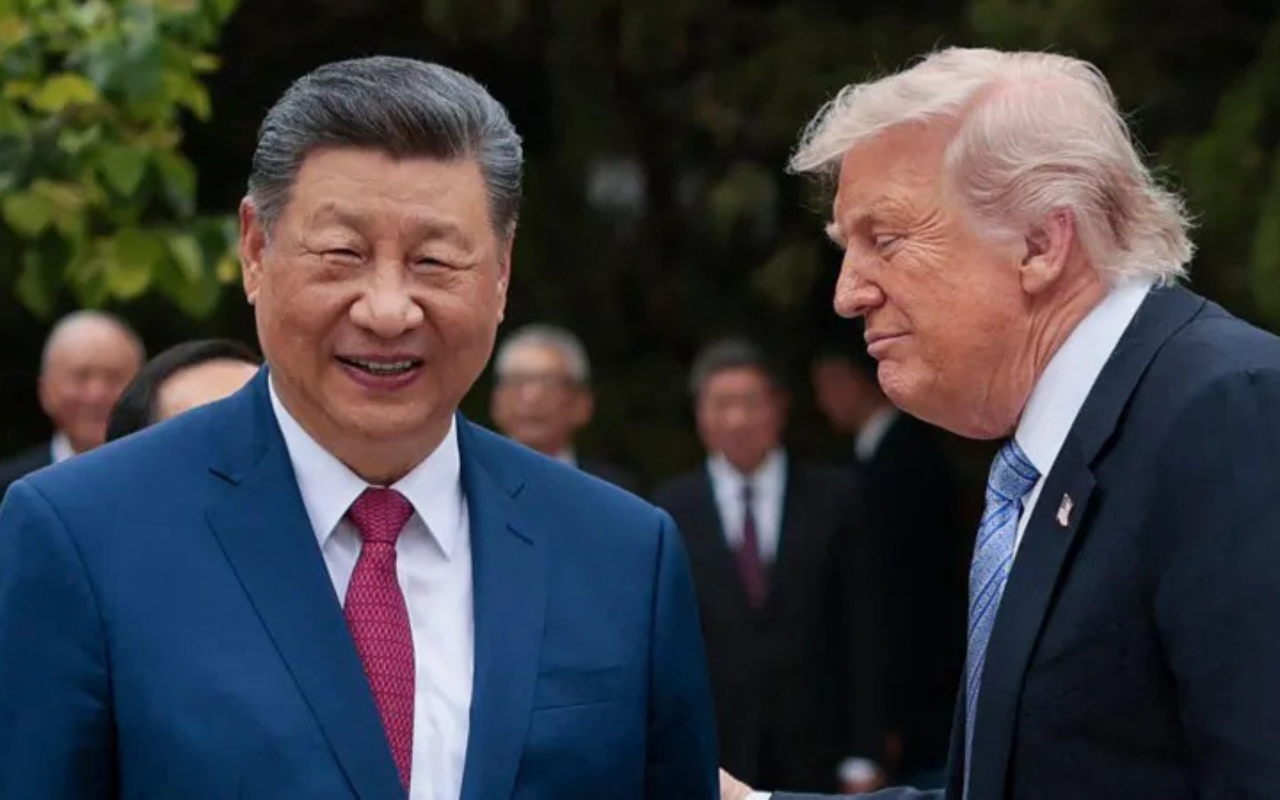
Public confidence in national leaders also mirrored the broader shift. While respondents generally expressed limited confidence in both Chinese President Xi Jinping and U.S. President Donald Trump, Xi received higher levels of confidence than Trump in many of the surveyed countries.
Despite China’s improved standing, the survey indicates that the United States continues to be viewed more positively when it comes to respecting personal freedoms. At the same time, respondents were more likely to say China interferes less in the domestic affairs of other countries than the U.S.
Shift Seen Across Several U.S. Allies
One of the survey’s most striking findings is that China now enjoys a more favorable image than the United States in 25 of the 36 countries and territories directly compared in the report. Those include several long-standing American allies such as Canada, France, Germany, Mexico and the United Kingdom.
Only a small group of countries—including Japan, India, South Korea, the Philippines, Poland and Israel—continued to rate the United States more positively than China.
Why the Findings Matter
The survey highlights changing international attitudes at a time when the world’s two largest economies are competing for diplomatic, economic and strategic influence. Public opinion does not directly shape foreign policy, but it can affect international partnerships, trade relationships and perceptions of global leadership.
Pew’s findings also suggest that recent geopolitical developments and U.S. foreign policy decisions have influenced how many people view Washington’s role on the global stage, while China’s international image has improved in several regions.
What Comes Next
The results offer a snapshot of global opinion during a period of heightened geopolitical competition rather than a permanent realignment. Analysts will be watching future surveys to determine whether the trend continues or reflects reactions to recent international events.
As both Washington and Beijing seek to expand their influence, shifts in public sentiment could become an increasingly important measure of each country’s global standing.