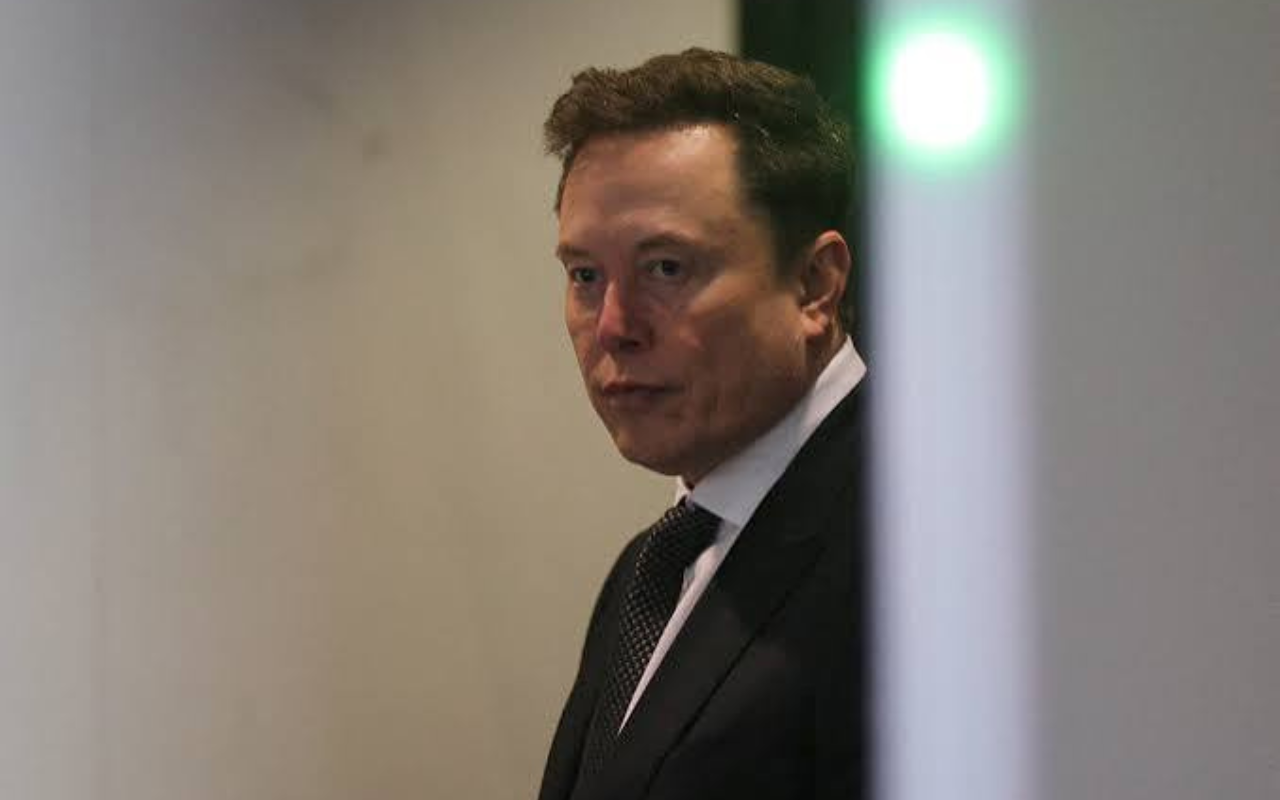
A U.S. federal judge has approved a settlement between Elon Musk and the Securities and Exchange Commission (SEC) over allegations tied to his early purchases of Twitter shares, even as she expressed serious reservations about how the case was resolved.
In a written decision, U.S. District Judge Sparkle Sooknanan said the court’s authority in reviewing consent agreements is limited. While emphasizing that judges are not expected to simply endorse settlements without scrutiny, she concluded that the agreement satisfied the legal standards required for approval. At the same time, she wrote that the case raised “significant misgivings” and several “red flags” regarding the SEC’s handling of the matter.
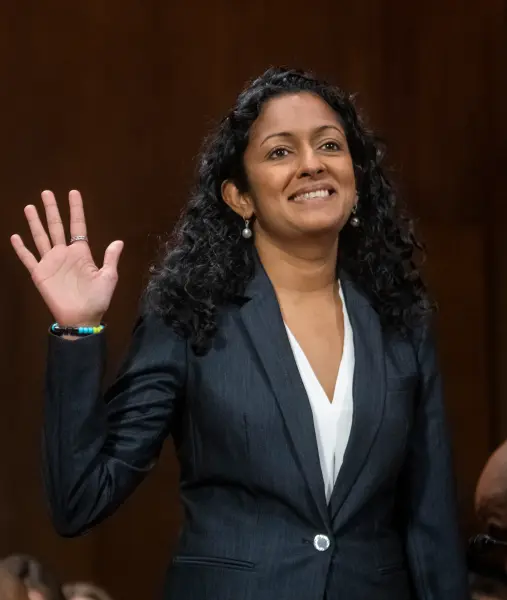 Photo Credit:Rod Lamkey / CNP / SplashNews.com
 SEC Accused Musk of Delaying Required Disclosure
The dispute centered on Musk’s purchases of Twitter stock in March and April 2022, before he launched his eventual takeover of the social media company.
According to the SEC, Musk waited 11 days longer than required to disclose that he had accumulated a significant ownership stake. The regulator argued that the delay allowed him to continue buying shares at lower market prices, saving an estimated $150 million before investors became aware of his position.
Musk has maintained that the delayed filing was unintentional. Later in 2022, he completed his $44 billion acquisition of Twitter, which was subsequently rebranded as X.
Settlement Requires $1.5 Million Penalty
Under the approved agreement, a trust established in Musk’s name will pay a $1.5 million civil penalty to resolve the SEC’s claims. The settlement does not require Musk to admit wrongdoing and avoids a prolonged court battle.
The SEC has said the penalty is the largest imposed in a case of this type and argued that the settlement also benefits the public by securing an injunction that applies to actions taken through the trust managing much of Musk’s wealth. The agency also stated in court filings that the agreement was reached without collusion.
Judge Questions SEC’s Enforcement Approach
Although she approved the settlement, Judge Sooknanan questioned several aspects of the SEC’s decision-making process.
Among her concerns was the agency’s decision not to pursue disgorgement, a legal remedy that would have required Musk to surrender profits allegedly obtained through the delayed disclosure. She also questioned whether settling with Musk’s trust, rather than Musk personally, could create the impression that he had escaped meaningful accountability.
The judge further noted that SEC lawyers handling the litigation appeared surprised when settlement discussions surfaced during earlier court proceedings, prompting questions about how negotiations had unfolded within the agency. She asked whether similar treatment would be extended to other defendants in future securities enforcement cases.
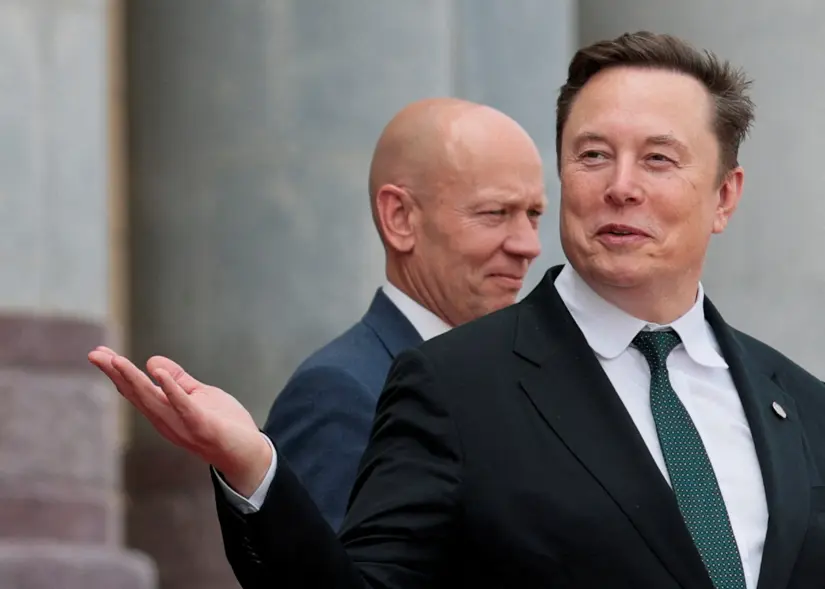 Photo Credit:REUTERS
 Why the Case Matters
The ruling closes one of the SEC’s highest-profile enforcement actions involving Musk, whose business interests span SpaceX, Tesla and X. It also highlights broader questions about how securities regulators enforce disclosure rules against prominent corporate leaders and whether enforcement decisions are applied consistently.
While the court allowed the settlement to take effect, Judge Sooknanan made clear that evaluating the SEC’s policy choices ultimately falls outside the judiciary’s role. Instead, she wrote that broader questions about the executive branch’s enforcement priorities are matters for public and political accountability rather than judicial intervention.
What Comes Next
With the court’s approval, the SEC’s lawsuit over Musk’s delayed Twitter share disclosures is effectively resolved under the agreed terms. Although the settlement ends this particular enforcement action, the judge’s unusually pointed criticism of the agreement is likely to remain part of the broader debate over regulatory oversight and the treatment of high-profile business figures.