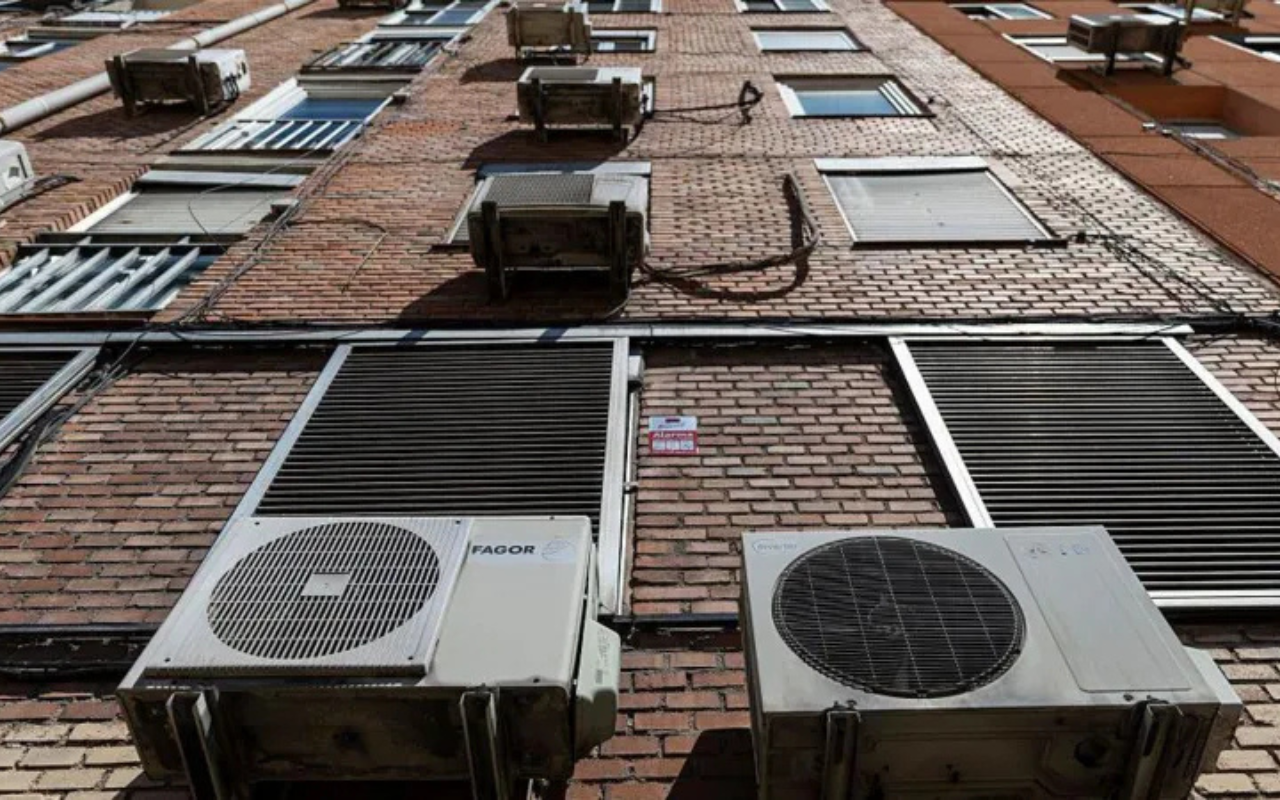
Extreme summer heat is changing the way Europeans think about cooling, with households across the continent increasingly turning to air conditioners after another season of record-breaking temperatures.
Table of Contents
ToggleWestern Europe experienced its hottest June on record this year, while several countries, including Germany, saw temperatures climb above 40°C. The prolonged heat has prompted many residents to install cooling systems for the first time, creating a sharp rise in demand that has largely benefited Chinese manufacturers.
For many Europeans, the change has become a matter of comfort as well as health.
People living in top-floor apartments and older buildings—homes that were never designed for sustained periods of extreme heat—have found indoor temperatures becoming increasingly difficult to tolerate during the summer months.
Heatwaves Are Changing Consumer Behaviour
Air conditioning has long been far less common in Europe than in many parts of Asia or North America, where hotter climates made cooling systems a standard feature of homes and offices.
That pattern is beginning to shift.
Retailers across several European countries have reported strong demand for both portable and permanently installed air conditioners as repeated heatwaves push more consumers to invest in cooling solutions. Industry manufacturers also expect demand to remain elevated if high temperatures continue through the summer.
The growing market reflects a broader adaptation to a warming climate, with many households viewing air conditioning as an increasingly necessary rather than optional appliance.
Chinese Manufacturers Benefit From Rising Sales
Chinese appliance makers have become key suppliers to the expanding European market.
Companies including Midea, Haier and Gree are among the manufacturers benefiting from stronger demand, helped by established production capacity and competitive pricing. Portable units have proved particularly popular because they require little or no permanent installation, making them suitable for rented properties and historic buildings where structural alterations can be difficult.
The sales boom comes despite wider trade tensions between the European Union and China over industrial exports and manufacturing capacity. Even as policymakers debate trade measures, consumer demand for affordable cooling equipment continues to rise.
Why Europe Is Especially Vulnerable
Many European homes were built for relatively mild summers and rely on insulation to retain warmth during winter rather than dissipate heat.
Historic buildings often face strict renovation rules, while installing fixed air-conditioning systems can be expensive or technically challenging. As a result, many residents have traditionally relied on open windows, shutters and electric fans during warmer months.
Recent summers, though, have exposed the limits of those approaches as heatwaves become more frequent and more intense.
Climate scientists have repeatedly warned that rising global temperatures are increasing both the frequency and severity of extreme heat events across Europe, forcing governments, businesses and homeowners to reconsider how cities and buildings are adapted for future summers.
Balancing Cooling Needs With Climate Goals
The growing use of air conditioning also presents a challenge for Europe’s climate ambitions.
Cooling systems increase electricity consumption, especially during periods of peak demand, placing additional pressure on power grids. They can also contribute to greenhouse gas emissions if powered by fossil-fuel-generated electricity or if refrigerants leak into the atmosphere.
Governments and industry are therefore under increasing pressure to improve energy efficiency, expand renewable electricity generation and encourage more sustainable cooling technologies while ensuring people can safely cope with rising temperatures.
What Comes Next
Weather forecasters expect additional heatwaves before the end of the summer, meaning demand for cooling equipment is likely to remain strong.
The trend highlights a broader transformation taking place across Europe. As extreme heat becomes a more regular feature of summer, air conditioning is shifting from a relatively uncommon household appliance to an increasingly important part of everyday life. At the same time, policymakers face the challenge of meeting growing cooling needs without undermining long-term climate and energy goals.