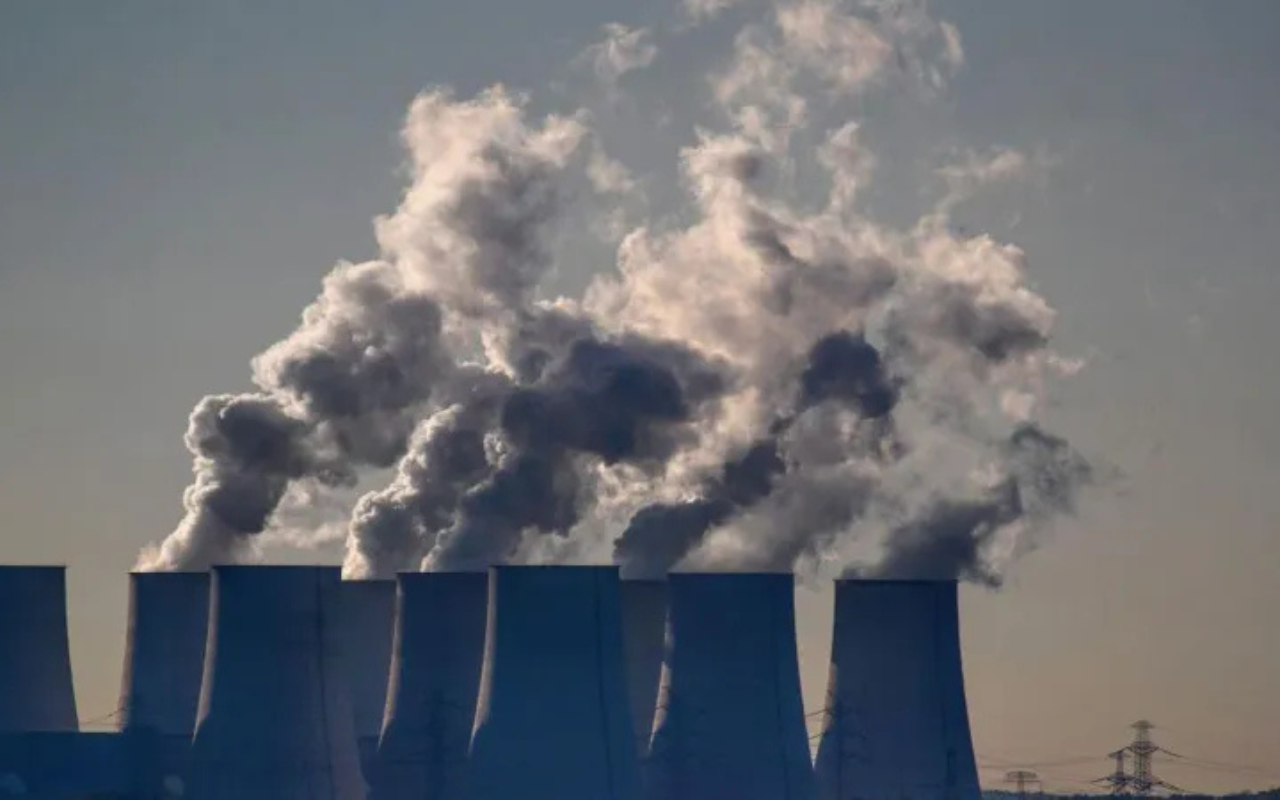
The European Commission has proposed significant changes to the European Union’s Emissions Trading System (ETS), offering businesses a longer timeline to cut greenhouse gas emissions while maintaining the bloc’s long-term climate ambitions. The package is designed to ease pressure on energy-intensive industries that have argued they face mounting costs as they compete with manufacturers outside Europe.
Table of Contents
ToggleIf approved, the reforms would allow some companies to continue receiving free carbon emission allowances until 2038 instead of the previously planned 2034 deadline. In return, businesses would be expected to invest in projects that reduce emissions and modernise industrial operations.
Changes to the EU’s carbon market
The ETS, introduced in 2005, is the European Union’s primary mechanism for reducing greenhouse gas emissions. It operates by placing a cap on emissions from sectors such as power generation, manufacturing and aviation while allowing companies to trade emission permits. Over time, the number of available permits falls, encouraging businesses to invest in cleaner technologies.
Under the Commission’s proposal, the annual reduction in available emission allowances would slow during the next decade, giving industries more flexibility as they transition toward lower-carbon production. The reforms would also make adjustments to the market’s stability mechanisms, leaving more allowances available than under the current framework.
Free permits tied to decarbonisation investment
Rather than extending free allowances without conditions, the Commission wants most of those permits linked directly to companies’ decarbonisation plans. Businesses would need to demonstrate that they are investing in cleaner production methods in order to continue benefiting from the scheme.
The proposal also includes additional financial support for industrial decarbonisation. Billions of euros in extra funding and permit allocations are intended to help manufacturers invest in technologies that reduce emissions while strengthening Europe’s industrial competitiveness. Member states would also be required to devote at least half of their ETS revenues to domestic decarbonisation projects.
Broader reforms extend beyond heavy industry
The overhaul reaches beyond manufacturing. The Commission is proposing to gradually expand the ETS to cover additional sectors, including more aviation routes, smaller maritime vessels and waste incineration over the coming years. These changes are intended to broaden the scope of carbon pricing while maintaining progress toward the EU’s climate targets.
The package forms part of the EU’s wider strategy to achieve a 90% reduction in net greenhouse gas emissions by 2040 while keeping the bloc on track for climate neutrality by 2050.
Debate expected as legislation moves forward
The Commission’s proposals have already drawn mixed reactions. Industrial groups have welcomed additional flexibility, arguing that it will help European manufacturers remain competitive during the transition to cleaner production. Environmental organisations, meanwhile, have warned that slowing the pace of emissions reductions could weaken one of Europe’s most effective climate policies and reduce incentives for companies to invest sooner in low-carbon technologies.
The proposals are only the first step in the legislative process. They must now be negotiated and approved by both EU member states and the European Parliament, a process expected to take around a year and one that could lead to further amendments before the reforms are finalised.