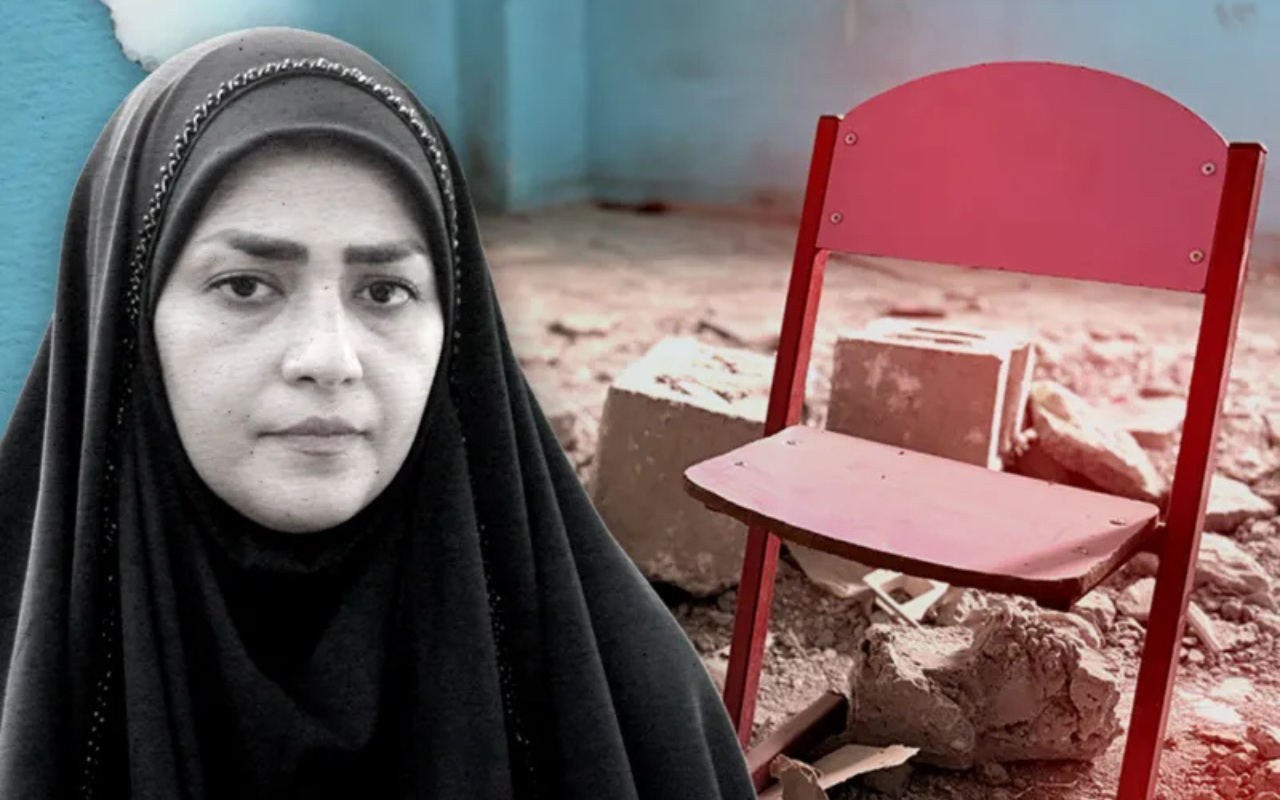
The shattered remains of an elementary school in the southern Iranian city of Minab have become a symbol of the human cost of war. During a recent visit, BBC correspondent Nawal Al-Maghafi walked through the damaged building alongside teacher Amaineh Nademi, who returned to the school where many of her colleagues and students lost their lives.
Table of Contents
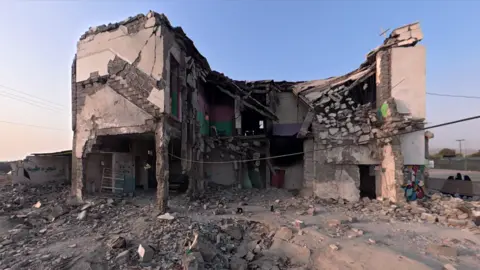
ToggleThe classrooms that once echoed with children’s voices are now filled with broken concrete, twisted steel and debris. Brightly painted walls decorated with balloons and flowers still stand in places, offering a painful reminder of the lives that were interrupted in an instant.
The report includes emotional testimony from those who survived and from families still searching for answers after one of the conflict’s deadliest attacks on civilians.
A School Reduced to Rubble
According to multiple investigations, the strike hit Shajareh Tayyebeh Elementary School in Minab on 28 February 2026, the opening day of the wider conflict involving Iran. Rescue efforts continued for days as emergency workers and local residents searched through the collapsed building for survivors.
Independent reporting has concluded that the attack killed 156 people, including 120 schoolchildren, 26 teachers and several parents and other civilians. The majority of those killed were young students attending classes when the missiles struck.
Teacher Amaineh Nademi told the BBC she could still picture exactly where each classroom had been located before the explosion destroyed much of the two-storey building.
Families Continue to Grieve
For many parents, the pain has not eased with time. Families who lost children have continued to ask why a school became the scene of such devastating destruction.
The BBC’s report captures the emotional toll on survivors, many of whom return to the site carrying memories of classmates, teachers and loved ones who never came home.
The headline question—”What was their crime?”—reflects the anguish expressed by relatives who say the victims were ordinary children attending school.
Investigations Into the Strike
Satellite imagery, verified videos and independent analyses have examined the circumstances surrounding the attack. Investigations by several international news organizations concluded that the school and the surrounding area were struck multiple times during the operation.
The incident has drawn international attention because the school was a clearly identifiable civilian site, even though it stood near a military installation. Human rights organizations and international bodies have called for thorough investigations into whether international humanitarian law was violated.
Responsibility for the strike has been the subject of competing official claims, but independent investigations have linked the attack to U.S. military operations during the conflict.
Why the Attack Matters
The destruction of the Minab school has become one of the defining civilian tragedies of the 2026 Iran conflict. The high number of child casualties has intensified international concern over the protection of schools and other civilian infrastructure during armed conflicts.
Organizations including UNESCO and other international bodies have condemned attacks on educational facilities and emphasized that schools should remain protected under international humanitarian law.
The incident has also renewed calls for greater transparency, independent investigations and accountability when civilians are killed during military operations.
What Happens Next?
Although multiple investigations have examined the attack, questions surrounding accountability remain unresolved. International scrutiny of the strike continues, while families of the victims are still seeking official answers about how a school filled with children became the site of one of the conflict’s deadliest civilian incidents.
As the damaged classrooms continue to stand in Minab, they serve as a stark reminder of the lasting consequences of war on children, teachers and entire communities.