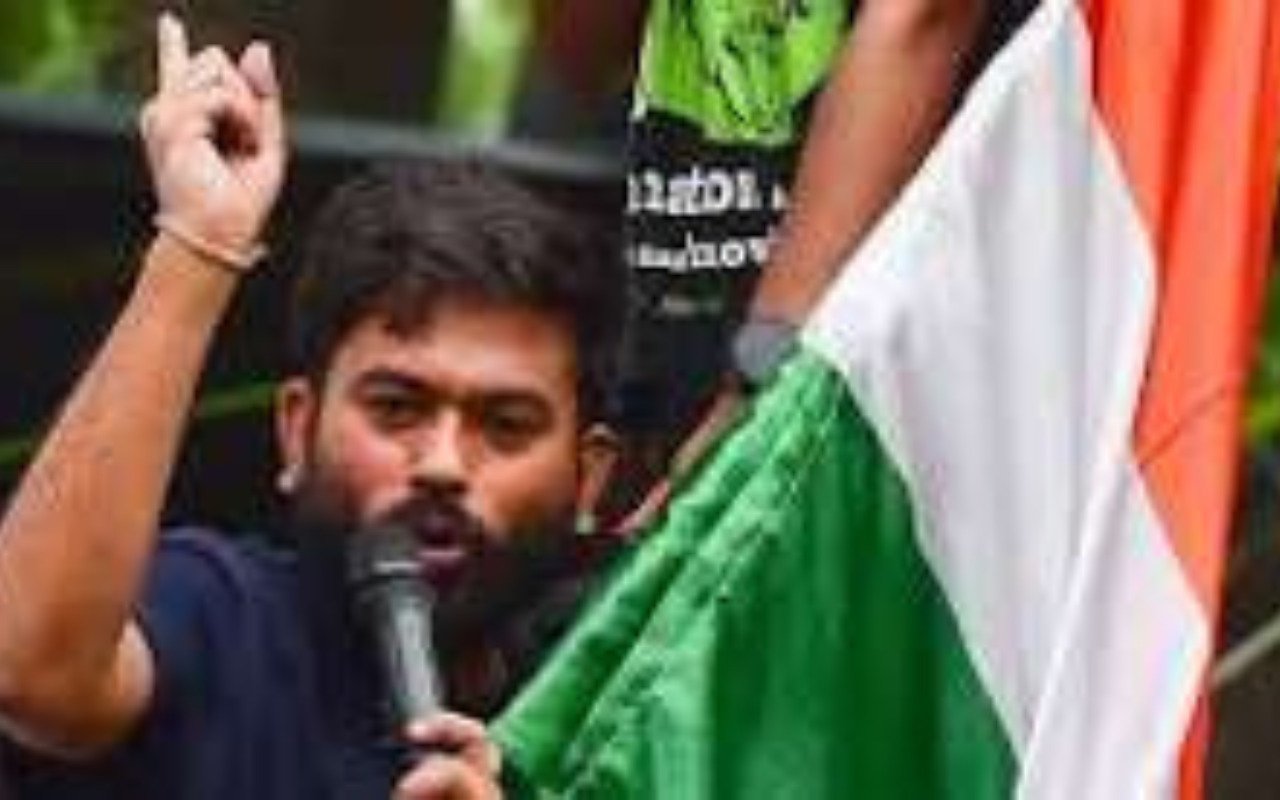
Thousands of protesters returned to the streets of India’s capital on Tuesday, one day after clashes with police disrupted one of the country’s largest youth-led demonstrations in recent years. Supporters of the Cockroach Janta Party (CJP) gathered once again at Jantar Mantar in central Delhi, determined to continue their campaign for education reforms despite heavy police action the previous day.
Table of Contents
ToggleThe renewed protest followed Monday’s confrontation, when tens of thousands of demonstrators attempted to march toward Parliament in defiance of restrictions imposed by authorities. Police responded with tear gas and baton charges to stop the procession, leading to injuries on both sides and
multiple detentions. According to official accounts, around 60 protesters and 118 police personnel were injured, while dozens of demonstrators were taken into custody.
Photo Credit:EPA/Shutterstock
Protesters Shift Strategy
Organizers said the movement would continue its sit-in protest but would suspend further attempts to march toward Parliament, arguing that another confrontation could expose more young supporters to injury. The decision reflects an effort to maintain pressure on the government while avoiding another violent clash with security forces.
Crowds gathered throughout Tuesday at Jantar Mantar, a site long associated with public demonstrations in New Delhi, where supporters continued raising demands related to India’s education system.
Movement Driven by Education Concerns
The Cockroach Janta Party began as a satirical youth campaign but has rapidly evolved into a broader movement attracting students and young professionals across India. Protesters say repeated examination irregularities, concerns over transparency in recruitment and testing, and wider frustrations over youth employment have fueled growing dissatisfaction.
Among the movement’s central demands are the resignation of Education Minister Dharmendra Pradhan and stronger safeguards to prevent examination paper leaks and restore confidence in India’s competitive testing system.
Government Response
The demonstrations have prompted a response from India’s leadership. Prime Minister Narendra Modi told lawmakers that the government was committed to creating a more secure examination system and said authorities had already taken action following recent exam leak cases, including arrests and a re-examination process. Protest leaders, however, say they are seeking concrete reforms rather than assurances alone.
Government representatives have also begun discussions with protest organizers, although no agreement has been announced.
Political and Human Rights Attention
The police operation has drawn criticism from opposition politicians and human rights organizations, which questioned the use of force against demonstrators and called for respect for peaceful protest. Amnesty International described the crackdown as raising serious concerns about civil liberties, while opposition leaders accused the government of suppressing dissent.
What Comes Next
With protesters remaining at Jantar Mantar, the movement appears set to continue even as organizers avoid another march on Parliament. Whether ongoing dialogue with government officials produces meaningful policy changes may determine the next phase of a campaign that has become one of the most significant youth-led protests in India in recent years.