Fresh allegations that Iran has relied on Chinese satellite technology to identify and strike American military positions have intensified concerns over the growing strategic relationship between Tehran and Beijing as fighting continues across the Middle East.
Table of Contents
ToggleReports circulating in recent months have claimed that Iranian forces have used high-resolution satellite imagery supplied through Chinese technology to improve the precision of attacks on US military facilities. Those claims have fueled debate among Western security officials about whether the conflict is providing China with valuable insight into American military operations and defensive systems.
Intelligence concerns extend beyond the battlefield
Security analysts argue that if the allegations are accurate, access to advanced satellite reconnaissance could significantly enhance Iran’s ability to monitor troop movements, aircraft deployments, and infrastructure at US bases across the region.
Some defense experts also believe the conflict offers an opportunity for rival powers to observe how American air-defense networks respond under sustained attack. Lessons drawn from real-world engagements could influence future military planning well beyond the Middle East, particularly in regions where US forces maintain a substantial presence.
Beijing denies providing military assistance
China has repeatedly rejected accusations that it is directly supporting Iran’s military campaign. Chinese officials have maintained that Beijing seeks stability in the region and has denied claims that it has supplied weapons or intelligence intended for combat operations.
Previous reporting has nevertheless highlighted concerns among Western governments over expanding technological cooperation between Chinese companies and Iranian entities, including satellite capabilities and dual-use technologies that could have military applications.
Growing pressure on US regional defenses
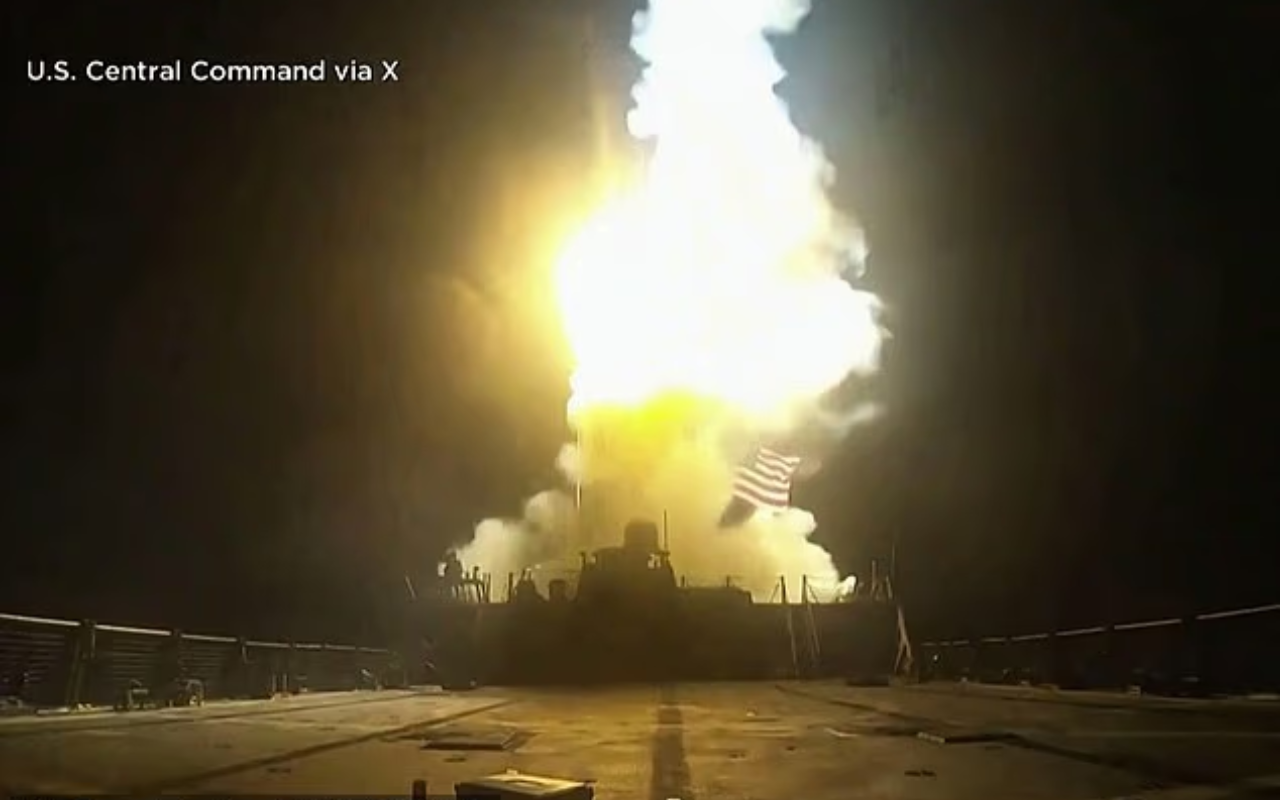
The latest allegations come as the United States continues to assess the effectiveness of its regional military posture following repeated Iranian missile and drone attacks against American facilities and partner nations.
Recent strikes have highlighted the vulnerability of forward-deployed bases, prompting renewed discussions within defense circles about strengthening missile defenses, dispersing critical assets, and improving early-warning capabilities across the Middle East.
Why the allegations matter
Even without direct evidence of Chinese military involvement in individual attacks, the reported use of commercially or state-supported satellite technology underscores the growing role of space-based intelligence in modern warfare. Satellite imagery has become an increasingly important component of military planning, enabling armed forces to identify targets, assess battle damage, and monitor troop movements with far greater precision than in previous conflicts.
For Washington, the allegations add another layer to an already complex strategic rivalry with Beijing, extending competition beyond the Indo-Pacific into the Middle East.
What comes next
Whether the claims can be independently verified remains an open question. Intelligence agencies are expected to continue examining the extent of any technological assistance provided to Iran, while policymakers weigh the broader implications for US military operations and regional security.
As tensions persist, the issue is likely to remain a key focus for defense planners concerned about how emerging satellite capabilities could reshape future conflicts and challenge traditional military advantages.