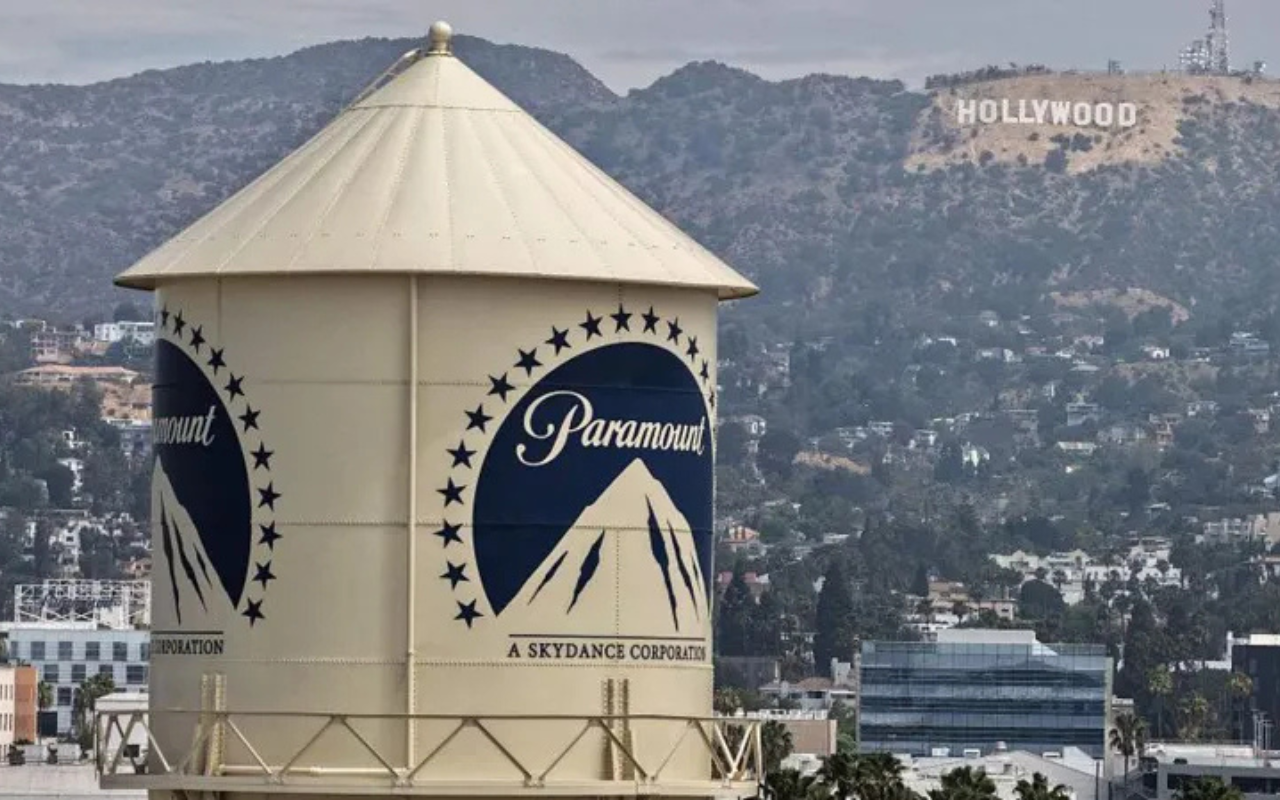
One of the largest proposed media mergers in recent years has been put on hold after a federal judge temporarily blocked Paramount Skydance from completing its planned acquisition of Warner Bros. Discovery.
Table of Contents
ToggleThe 14-day restraining order, issued by U.S. District Judge Araceli Martínez-Olguín, prevents the companies from closing the transaction or taking steps to combine their operations while the court reviews a lawsuit brought by a coalition of 12 U.S. states. The temporary order is scheduled to remain in effect until at least August 3, when the court is expected to consider whether a longer injunction should be granted.
States Argue the Deal Would Reduce Competition
The lawsuit, led by California and joined by 11 other states including New York, contends that the merger would significantly reduce competition across several areas of the entertainment business.
State prosecutors argue the combined company would gain substantial influence over theatrical film distribution and the basic cable television market, potentially leading to higher prices, fewer choices for consumers, and increased pressure on movie theaters and television distributors. They also warned that allowing the companies to begin integrating before the case is decided could result in irreversible changes, including job reductions and the sharing of competitively sensitive business information.
Paramount and Warner Defend the Transaction
Paramount Skydance and Warner Bros. Discovery have rejected the states’ claims, arguing that the lawsuit overlooks the realities of today’s media landscape.
The companies maintain that traditional entertainment businesses face intense competition from major technology and streaming platforms, including companies such as Amazon and Apple. They argue that combining their operations would improve efficiency, strengthen their streaming services, and help them compete more effectively in a rapidly changing market.
Judge Finds Delay Appropriate While Case Proceeds
In granting the temporary restraining order, Judge Martínez-Olguín concluded that the states had raised sufficiently serious antitrust concerns to justify pausing the transaction while the legal challenge continues.
The ruling does not determine whether the merger is lawful. Instead, it preserves the status quo until the court decides whether a preliminary injunction should remain in place throughout the litigation.
High Financial Stakes for Both Companies
The court’s decision could have significant financial implications.
According to the merger agreement, if the transaction is not completed by September 30, Paramount could become responsible for paying Warner Bros. Discovery shareholders a daily “ticking fee” estimated at roughly $7 million until the deal closes, increasing pressure on both companies to resolve the legal dispute.
What Comes Next
The next major milestone is a court hearing scheduled for August 3, where the judge will decide whether to extend the injunction while the broader antitrust case proceeds. If a longer injunction is granted, the merger could face months of additional legal scrutiny before any final decision is reached.
The outcome will be closely watched across Hollywood and the wider media industry, where consolidation efforts continue to attract heightened scrutiny from regulators concerned about competition, consumer choice, and the future structure of the entertainment business.