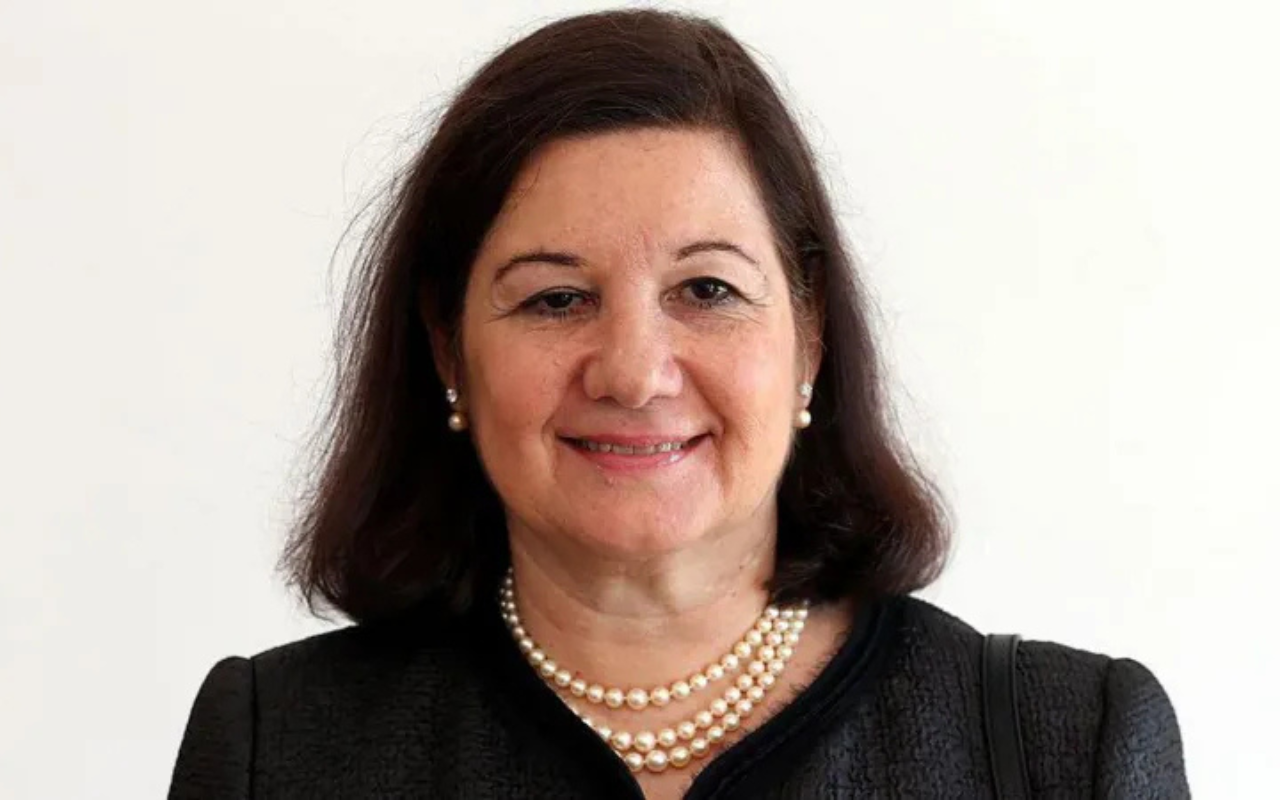
Relations between the United States and Brazil have entered a more confrontational phase after Washington revoked the visa of Brazil’s ambassador to the US, Maria Luiza Ribeiro Viotti.
Table of Contents
ToggleA US State Department official confirmed the decision, describing it as part of a reciprocal response to recent actions taken by Brazil. The visa cancellation does not amount to an expulsion, meaning Viotti remains Brazil’s ambassador in Washington, but it represents another escalation in a dispute that has steadily widened in recent weeks.
Retaliatory measures on both sides
The latest move follows Brazil’s decision to deny visas to two US State Department officials who had planned to travel to the country last month. Brazilian authorities argued the visit raised concerns because it came ahead of October’s presidential election.
President Luiz Inácio Lula da Silva publicly accused the US officials of attempting to interfere in Brazil’s domestic political process, saying foreign governments should not seek to influence the country’s elections.
Washington, meanwhile, has defended its diplomatic actions and said it remains committed to maintaining a constructive relationship with Brazil despite the dispute.
Ambassador nomination adds to tensions
The disagreement extends beyond visa issues. Brazil has yet to approve President Donald Trump’s nominee for US ambassador to Brasília, Daniel Perez, a delay that American officials have criticized.
Brazilian officials have argued that the approval process follows established diplomatic procedures and rejected suggestions that the delay violates international practice. US officials, on the other hand, view the prolonged review as an obstacle to normal diplomatic relations.
Election backdrop raises stakes
The diplomatic dispute is unfolding as Brazil prepares for its presidential election in October, giving the disagreement added political significance.
Lula has framed the issue as one of national sovereignty, while US officials have rejected allegations that Washington is attempting to influence Brazil’s electoral process. The disagreement has become part of broader political debate in both countries as bilateral relations continue to face pressure.
A relationship under growing strain
The visa decision comes after months of deteriorating ties between Washington and Brasília. Recent disagreements have included trade measures, diplomatic protocol, and differing approaches to regional and domestic political issues.
Although officials on both sides have expressed interest in preserving long-term cooperation, the latest exchange highlights how quickly the relationship has become more contentious. Analysts say restoring normal diplomatic engagement may depend on resolving the ambassadorial dispute and reducing tensions surrounding Brazil’s election period.
What comes next
Neither government has indicated that talks have broken down completely, leaving open the possibility of further negotiations. US officials have suggested the visa issue could be revisited if diplomatic reciprocity is restored, while Brazil continues reviewing Washington’s ambassadorial nominee.
For now, the episode marks one of the most visible signs of the strained relationship between two of the Western Hemisphere’s largest democracies, with developments likely to be closely watched as Brazil’s election approaches.