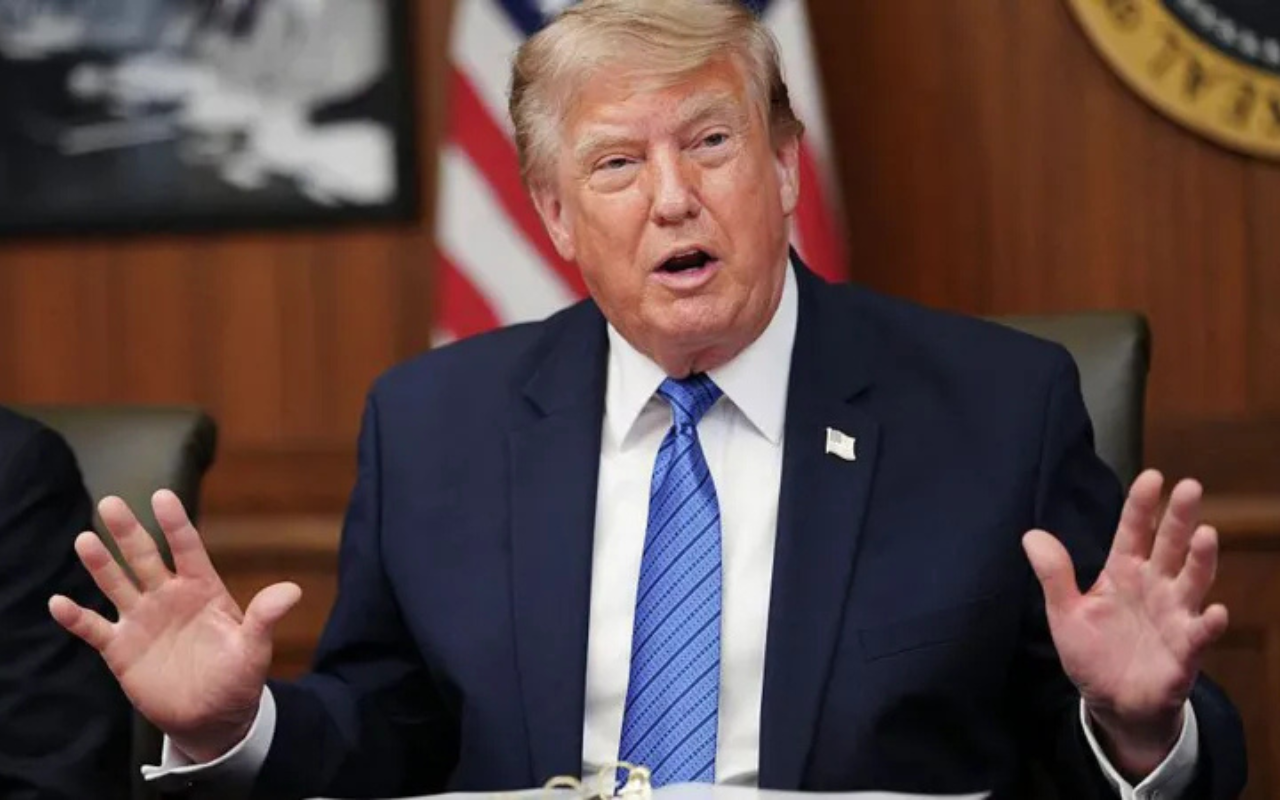
President Donald Trump has dismissed reports that the United States is facing shortages of critical military munitions, insisting the country’s arsenal remains strong despite growing questions about weapons inventories during the ongoing conflict with Iran.
Table of Contents
ToggleIn a post on his Truth Social platform on Thursday, Trump said the United States possesses “massive amounts” of munitions and that additional supplies are being produced and delivered as needed. He also said defense manufacturers are expanding production capacity to strengthen the country’s long-term military readiness.
The president also issued a sharp warning to individuals he believes are responsible for leaking information about US military stockpiles, saying authorities were attempting to identify those involved and calling for lengthy prison sentences.
Questions Grow Over America’s Weapons Inventory
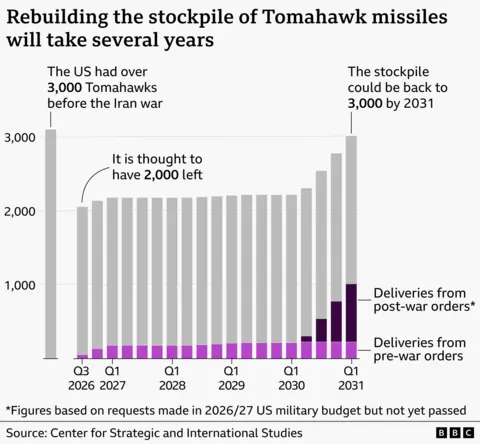
Trump’s remarks come as reports from several news organizations have raised concerns that months of military operations against Iran have placed significant pressure on US supplies of certain advanced weapons.
According to those reports, the consumption of precision-guided missiles and air defense interceptors during the conflict has prompted internal discussions within the Pentagon about replenishing inventories. Administration officials, however, have disputed suggestions that the military is unable to meet operational requirements, maintaining that US forces remain fully capable of carrying out missions worldwide.
The White House and Pentagon have also rejected reports describing internal disagreements between Trump and senior defense officials over the issue, calling those accounts inaccurate.
Iran Responds as Diplomatic Efforts Continue
The debate over US weapons supplies comes as diplomatic contacts related to the Iran conflict continue alongside military operations.
Iranian officials have responded to reports about US stockpiles by emphasizing the country’s domestically produced military capabilities, saying they remain prepared to respond to external threats. At the same time, discussions involving regional partners have continued over broader efforts to reduce tensions and address issues linked to the Strait of Hormuz.
The conflict has now entered its sixth month, with no comprehensive peace agreement yet in place.
Why the Issue Matters
The size and readiness of America’s munitions stockpile carry strategic importance beyond the current conflict. Defense analysts have long warned that prolonged, high-intensity military operations can place significant pressure on supplies of sophisticated missiles and interceptors, many of which require considerable time to replace because of complex manufacturing processes.
While the Trump administration insists the United States retains a strong military inventory and is increasing production, questions over stockpile levels have fueled debate about defense preparedness, industrial capacity, and the country’s ability to respond to multiple global security challenges simultaneously.
What Comes Next
The administration is expected to continue defending its assessment of US military readiness while seeking to expand domestic weapons production. At the same time, congressional scrutiny of defense spending and stockpile management is likely to continue as lawmakers assess the long-term impact of sustained military operations.
With diplomatic negotiations still underway and regional tensions unresolved, the condition of America’s munitions reserves is expected to remain a closely watched issue in the months ahead.