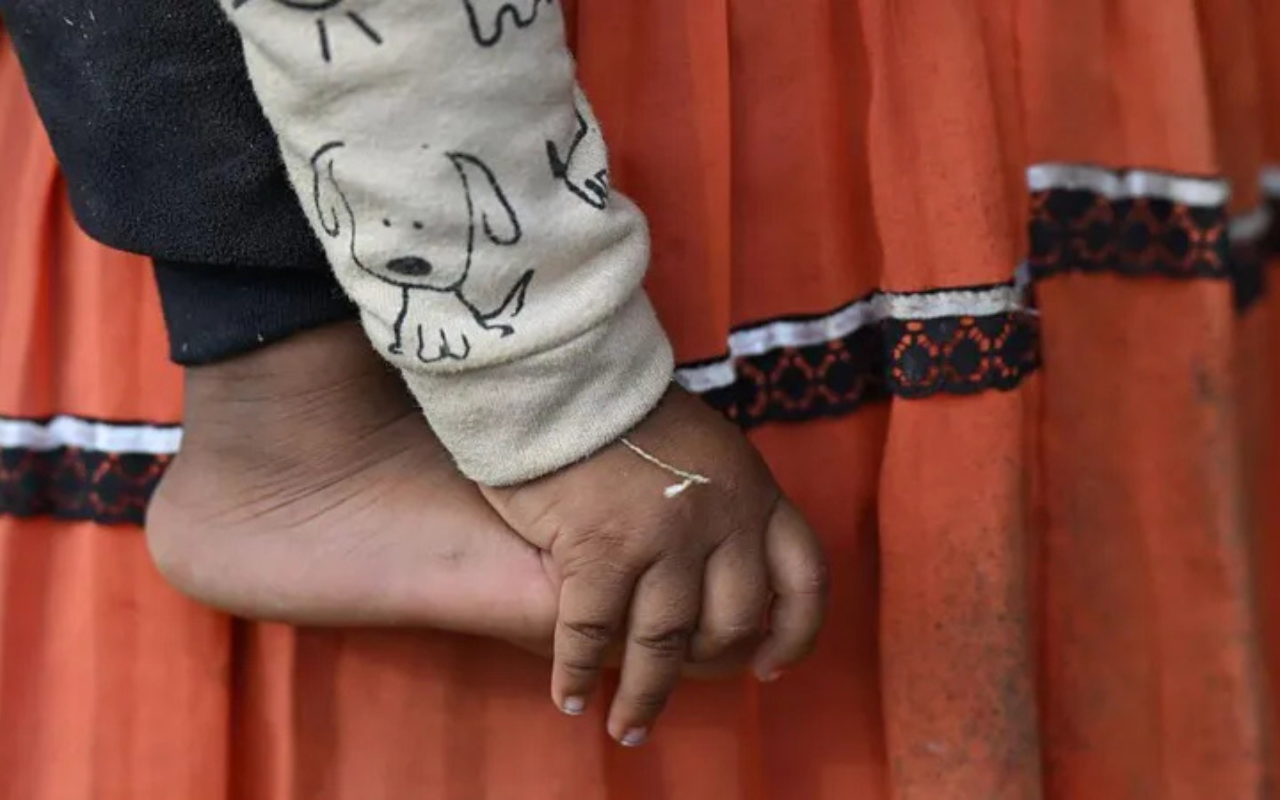
Colombia has become the first country in Latin America to make female genital mutilation (FGM) illegal, marking a significant shift in the country’s approach to protecting girls from the harmful practice. Lawmakers approved the legislation unanimously, ending years of efforts by campaigners who argued that existing protections were insufficient to prevent cases from occurring in vulnerable communities.
Table of Contents
ToggleThe new law is being welcomed as a major victory for women’s rights and child protection advocates. While FGM has long been recognized internationally as a serious human rights violation, activists in Colombia maintained that a specific legal prohibition was needed to strengthen prevention efforts, improve reporting, and hold perpetrators accountable.
Survivor Stories Helped Bring the Issue Into Public View
Among the voices drawing attention to the issue is a Colombian mother who says her infant daughter underwent FGM without her knowledge after being taken by a family member. The woman, whose identity has been withheld for privacy reasons, said her six-month-old baby was subjected to the procedure by the child’s great-grandmother.
Her experience reflects one of the challenges faced by authorities and advocacy groups: the practice often occurs within families and is rarely reported. Many cases remain hidden because of cultural traditions, social pressure, or fear of speaking out.
A Practice Concentrated in Indigenous Communities
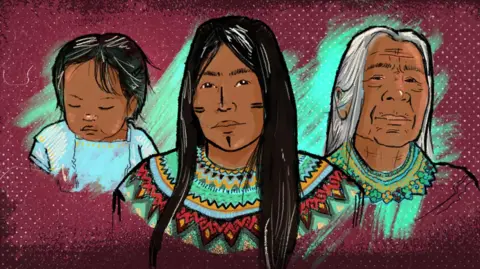
Although FGM is not widespread across Colombia, researchers and campaigners believe it continues to affect girls within parts of the Indigenous Emberá community. Human rights organizations have warned that the true number of cases may be higher than official records indicate because many incidents never reach health authorities or law enforcement.
Health experts have repeatedly cautioned that female genital mutilation has no medical benefit and can result in severe physical and psychological consequences. Depending on the procedure performed, complications may include intense pain, infection, excessive bleeding, childbirth complications, and lasting trauma.
Why the New Law Matters
Campaigners say the legislation represents more than a criminal ban. They hope it will encourage earlier intervention by healthcare workers, improve education in affected communities, and provide stronger protection for children who may be at risk.
Supporters also argue that the law sends a clear message that cultural traditions cannot justify practices that endanger children’s health and violate their rights. They stress that long-term success will depend on working with Indigenous communities through education, dialogue, and culturally sensitive outreach rather than relying solely on criminal penalties.
Years of Advocacy Led to Legislative Change
The unanimous vote in Colombia’s Congress followed sustained campaigning by survivors, Indigenous women, medical professionals, and human rights organizations. Their efforts focused on increasing public awareness, supporting affected families, and persuading lawmakers that explicit legislation was necessary to eliminate the practice.
Advocates say the legal reform provides a stronger framework for prevention while reinforcing Colombia’s commitment to protecting girls from gender-based violence.
What Comes Next
With the legislation now in place, attention is expected to shift toward implementation. Authorities will face the task of enforcing the new law while expanding education, healthcare support, and community engagement programs aimed at preventing future cases.
Campaigners say success will ultimately be measured not only by prosecutions but by whether girls at risk receive effective protection and whether communities are supported in abandoning the practice permanently.