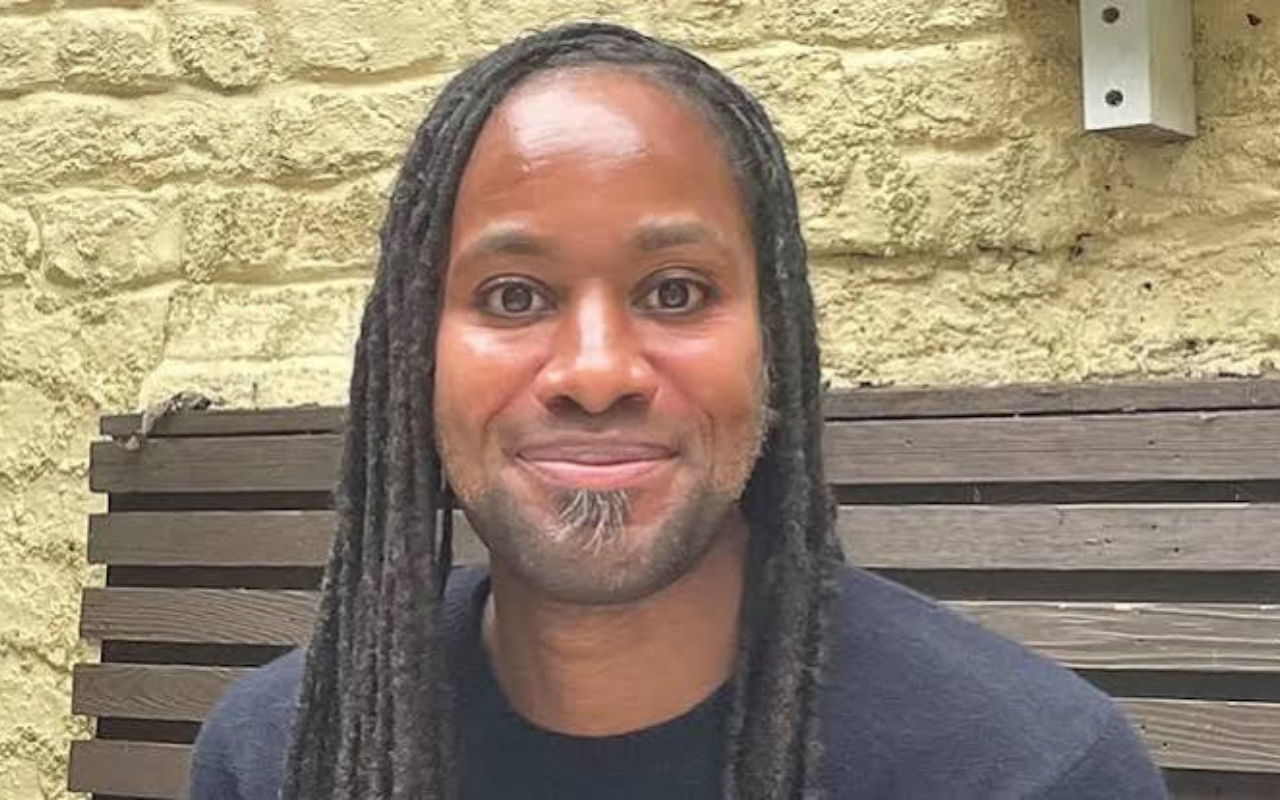
Professor Jason Arday has resigned from the University of Cambridge, bringing an abrupt end to his tenure as one of the institution’s most high-profile academics after mounting questions over his academic record and published work.
Table of Contents
ToggleThe resignation came shortly after Cambridge confirmed it had opened a formal investigation into newly received information concerning Arday’s academic qualifications and honorary appointments. University officials have said they will not comment further while the inquiry is underway.
In a public statement announcing his departure, Arday said sustained public attention and personal criticism had become overwhelming. He described the decision as one made for his wellbeing while insisting it should not be interpreted as abandoning academic scholarship or admitting to the allegations that have surrounded him.

Allegations Extend Beyond Plagiarism
The controversy began with renewed scrutiny of Arday’s academic work, including claims that sections of his doctoral research and other publications contained material closely resembling previously published sources.
Although Liverpool John Moores University, where Arday completed his PhD, previously investigated plagiarism allegations and concluded that academic misconduct had not been established, new questions later emerged about other aspects of his academic and professional history. Those include claims relating to honorary appointments, visiting positions and elements of his public biography.
Cambridge has stated that its current investigation concerns new information beyond the earlier review and is being conducted under the university’s established procedures. Jesus College, where Arday served as a fellow, has also launched a parallel process.
A Career Marked by Both Achievement and Controversy
Arday attracted international attention in 2023 when he became the youngest Black professor in Cambridge’s history. His appointment was widely celebrated because of his personal story of overcoming significant developmental challenges before pursuing an academic career.
His memoir, which recounts that journey, is still expected to be published despite the ongoing controversy, according to his publisher.
As media scrutiny intensified, further reporting questioned several claims made about Arday’s fundraising activities, athletic achievements and affiliations with academic institutions. Arday has disputed characterisations that he deliberately misrepresented his record, acknowledging some mistakes while rejecting claims that he intentionally deceived others.
Why the Case Matters
The case has become one of the most closely watched academic controversies in Britain this year because it raises broader questions about research integrity, institutional oversight and the verification of professional credentials.
It has also sparked wider public debate over how universities should investigate allegations involving prominent academics while balancing fairness, due process and reputational concerns. Supporters have argued that Arday became the focus of an unusually intense public campaign, while critics have maintained that questions about academic standards require thorough examination regardless of an individual’s profile.
What Happens Next
Arday’s resignation does not bring the matter to a close. Cambridge has indicated that its investigation into the newly raised concerns will continue, while other ongoing academic misconduct complaints remain subject to university procedures.
The outcome of those inquiries is expected to determine whether any further institutional action is warranted. Until those investigations conclude, several questions surrounding Arday’s academic record remain unresolved.