The India-UK free trade agreement (FTA) has officially taken effect, marking a significant step in economic relations between two of the world’s largest economies. The agreement is designed to expand trade by reducing or removing tariffs on thousands of products, opening new opportunities for businesses while potentially lowering prices for consumers.
Table of Contents
ToggleFor manufacturers and exporters on both sides, the deal is expected to simplify market access and strengthen long-term commercial partnerships. Companies that have already established strong trade links between India and the UK are now preparing for increased demand as tariff barriers begin to disappear.
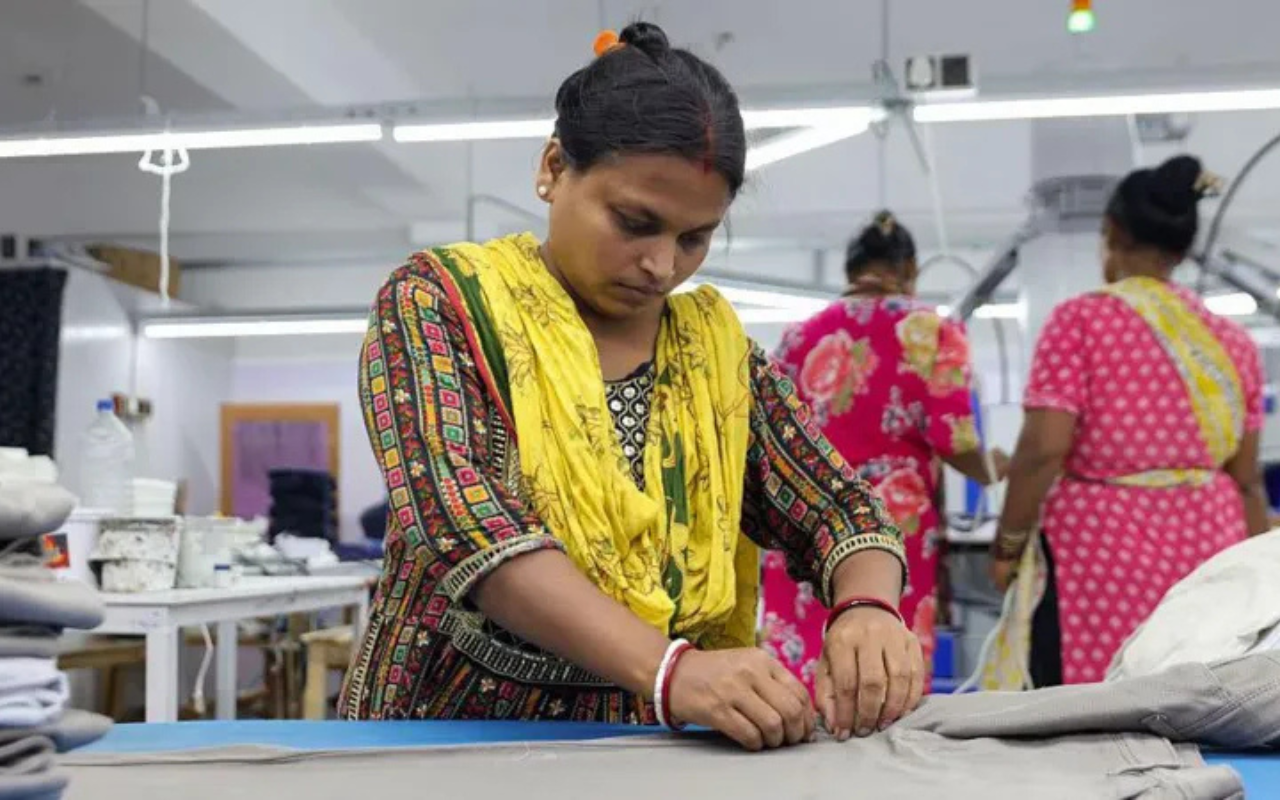
Indian exporters prepare for increased businessPhoto Credit:Getty Images
Among the companies expected to benefit is Welspun Living, one of India’s largest home textile manufacturers. The company supplies towels, bed linen and other household products to several well-known British retailers, including the championship towels used at Wimbledon.
According to company executives, discussions with UK retail partners have accelerated in recent weeks as businesses begin planning for future growth under the new trading framework. The agreement is expected to make Indian-made textiles more competitive in the British market by lowering import costs.
The textile and garment industry is considered one of the biggest potential winners. Indian manufacturers have long faced strong competition from exporters in countries such as Bangladesh and Pakistan. Reduced tariffs could improve India’s position in the UK market and encourage additional orders from British retailers.
Lower tariffs across thousands of products
The agreement removes or reduces tariffs on a large share of goods traded between the two countries.
According to the terms of the deal, around 99% of Indian exports to the UK will benefit from tariff reductions or complete duty-free access. At the same time, tariffs on roughly 90% of UK exports entering India will either be reduced or eliminated over time.
The changes are expected to make many products more affordable and improve competitiveness for businesses involved in cross-border trade.
What shoppers could notice
Consumers in both countries may eventually see the effects of the agreement through greater product availability and, in some cases, lower prices.
Indian-made clothing, home textiles, footwear and other manufactured goods could become more attractive to British retailers because of reduced import duties. This may help expand product ranges while easing some costs within supply chains.
In India, British products ranging from premium food and beverages to certain consumer goods are expected to become more competitively priced as tariffs fall. Products such as Scotch whisky have frequently been highlighted among the categories likely to benefit from lower import duties under the agreement.
The exact impact on retail prices will depend on factors including exchange rates, transportation costs, retailer pricing strategies and broader market conditions.Photo Credit: Bloomberg via Getty Images
Strengthening economic ties
The agreement represents one of the most significant trade deals signed by both countries in recent years. By lowering trade barriers, policymakers hope to encourage greater investment, increase exports and deepen commercial cooperation across multiple industries.
Businesses have also pointed to improved long-term certainty, allowing companies to make investment decisions and build supply chains with greater confidence.
What happens next
Although the agreement has now entered into force, its full economic impact will develop over time as tariff reductions are implemented and businesses adjust their operations.
Companies across manufacturing, retail and consumer goods sectors are expected to closely monitor demand and explore new opportunities created by easier access to one another’s markets. If the anticipated increase in trade materialises, the agreement could strengthen commercial ties between India and the UK while offering broader choices for consumers in both countries.