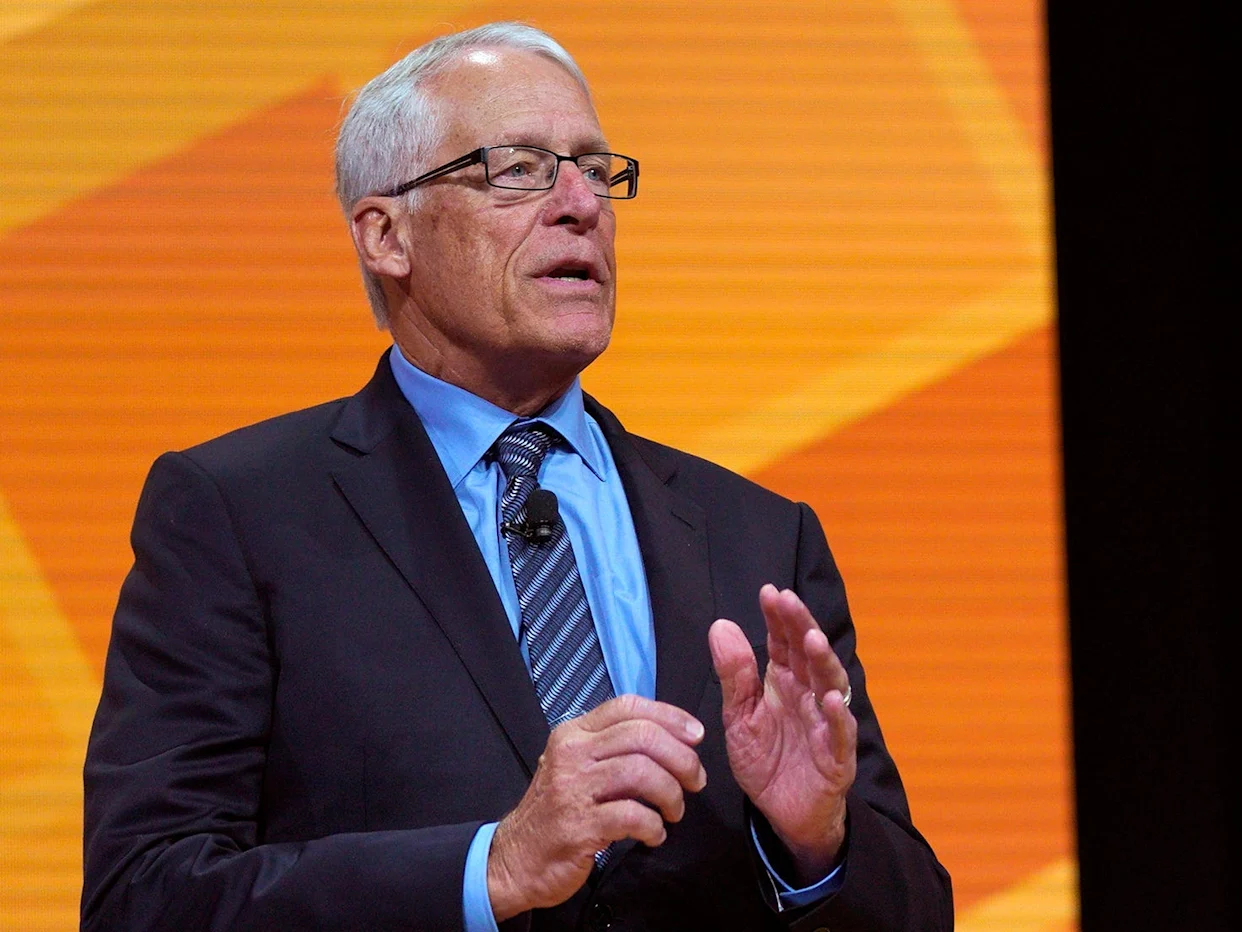
Rob Walton is one of the most recognised names in global business, largely because of his connection to Walmart, the world’s largest retail company. As the eldest son of Sam Walton, the founder of Walmart, Rob Walton inherited not only family wealth but also a major responsibility to continue one of the most powerful business legacies in modern history. His role in shaping the company after his father’s passing made him a central figure in corporate America.
While many people know Rob Walton simply as one of the richest men in the world, his story is much deeper than financial success. He built a reputation through careful leadership, strong legal understanding, and a long-term business mindset. Rather than seeking public attention, he focused on stability, growth, and corporate governance, helping Walmart remain dominant for decades.
In recent years, Rob Walton has also gained attention through sports ownership, particularly with the purchase of the Denver Broncos. His life offers valuable lessons in leadership, succession planning, and responsible wealth management. Understanding Rob Walton helps readers see how legacy, discipline, and strategic thinking can shape generations of success.
Early Life and Family Background
Rob Walton was born Samuel Robson Walton on 27 October 1944 in Tulsa, Oklahoma, United States. He was the first child of Sam Walton and Helen Walton, growing up in a household where business values were part of everyday life. His father was building what would later become Walmart, and young Rob had the rare opportunity to witness entrepreneurship from its earliest stages.
The Walton family believed strongly in discipline, hard work, and customer service. These principles were not just business ideas but part of family culture. Sam Walton was known for his practical approach and strong focus on value for customers, and these ideas influenced Rob from an early age. This foundation helped shape the way he later approached leadership in one of the world’s biggest companies.
Rob also grew up with siblings who would later become equally significant in the family empire, including Alice Walton and Jim Walton. Together, the Walton family became one of the wealthiest and most powerful families in the world. However, wealth alone did not define them; their influence came from long-term ownership, business strategy, and maintaining control of the company’s future.
Education and Professional Foundation
Before stepping fully into Walmart leadership, Rob Walton focused on education and building his own professional identity. He attended the University of Arkansas, where he earned a Bachelor of Science degree in business administration. This education helped him understand the fundamentals of finance, operations, and organisational management.
He later chose to study law at Columbia Law School, earning his Juris Doctor degree. This legal background became one of the most important parts of his professional identity. Unlike many business leaders who rise through sales or operations, Rob Walton brought legal discipline and corporate governance knowledge into executive leadership. This made him especially valuable during Walmart’s rapid expansion years.
After completing law school, he worked at the law firm Conner & Winters in Tulsa, Oklahoma. The firm represented Walmart, which gave him direct exposure to the company from a legal and strategic perspective. This experience became a bridge between his legal career and his future leadership role within the family business. It allowed him to understand the company from both inside and outside perspectives.
Joining Walmart and Early Corporate Roles
Rob Walton officially joined Walmart in 1969, beginning a career that would shape the future of the company for decades. Although many assumed his path was guaranteed because of family ties, he worked through several serious executive responsibilities. He served in important roles such as senior vice president, general counsel, and corporate secretary, gaining experience in multiple areas of the business.
His legal expertise became particularly important during Walmart’s growth phase. As the company expanded across the United States and later internationally, legal structure and governance became critical. Rob helped guide major decisions involving compliance, acquisitions, and corporate policy. His role was not simply symbolic; he was deeply involved in the company’s strategic development.
These years also allowed him to earn trust within the organisation. Employees, investors, and board members needed confidence that leadership continuity would be strong after Sam Walton. Rob’s steady and professional presence helped create that trust. By the time leadership transition became necessary, he was already viewed as a capable and prepared successor.
Becoming Chairman After Sam Walton
In 1992, following the death of Sam Walton, Rob Walton became chairman of Walmart. This was one of the most important moments in both his personal life and the company’s history. Taking over from a founder as legendary as Sam Walton was never going to be easy, and the world watched closely to see whether the company could maintain its success.
Rob approached the role with calm leadership rather than dramatic change. Instead of trying to reinvent Walmart overnight, he focused on preserving the company’s strengths while supporting gradual innovation. He understood that trust, stability, and continuity were essential during a major leadership transition. This approach helped reassure investors, employees, and customers alike.
His appointment also showed the importance of succession planning in family businesses. Many family-led companies struggle after the founder leaves, but Walmart remained strong because leadership was transferred with structure and preparation. Rob Walton became the person responsible for protecting not just a company, but an entire family legacy connected to one of the world’s biggest brands.
Leadership During Walmart’s Global Expansion
As chairman, Rob Walton led Walmart through a period of enormous transformation. The company expanded far beyond being an American discount retailer and became a truly global business. International markets became a major focus, and Walmart strengthened its presence in countries across Asia, Latin America, and Europe.
During his leadership, Walmart also improved its supply chain systems, technology integration, and financial strength. The company became known not only for low prices but also for operational efficiency on a global scale. Managing such growth required patience and strong governance, and Rob Walton played a major role in maintaining balance between expansion and stability.
He was never known as a flashy public executive. Unlike some CEOs who dominate headlines, Rob preferred a quieter leadership style. His focus was on long-term results rather than short-term publicity. This helped create a culture where performance mattered more than personal branding, which became one of the defining characteristics of his time as chairman.
Rob Walton Net Worth and Financial Influence
Rob Walton is regularly listed among the richest people in the world, and much of this wealth comes from the Walton family’s major ownership stake in Walmart. The family controls a large percentage of company shares, which has created extraordinary long-term wealth over generations. This makes Rob Walton one of the most financially influential individuals in global business.
His net worth has often been estimated in the hundreds of billions of dollars depending on stock market performance. Because Walmart remains one of the largest and most valuable retailers in the world, even small market movements can significantly affect the family’s fortune. This wealth is not based on salary alone but on ownership, investment growth, and strategic asset management.
Despite this massive wealth, Rob Walton has generally maintained a private and disciplined lifestyle compared to many other billionaires. He is not known for excessive public displays of luxury or celebrity behaviour. Instead, his reputation is built on stewardship, business continuity, and responsible control of inherited wealth. This has made him a unique figure among global billionaires.
Denver Broncos Ownership and Sports Influence
In 2022, Rob Walton entered a new public spotlight when he led the purchase of the Denver Broncos, one of the most famous teams in the National Football League. The deal was worth approximately 4.65 billion dollars and became one of the most expensive sports franchise purchases in history. This move brought him major attention beyond the retail world.
The ownership group included his daughter Carrie Walton Penner and his son-in-law Greg Penner, forming what became known as the Walton-Penner Family Ownership Group. This reflected the same family-centred leadership model seen in Walmart. Rather than individual control, the structure supported long-term family involvement and strategic continuity.
Owning the Denver Broncos also showed how billionaire influence often extends into sports and public culture. Professional sports franchises are not only financial assets but also powerful social institutions. Through this ownership, Rob Walton became one of the most visible and powerful owners in American sport, expanding his influence far beyond corporate boardrooms.
Personal Life and Family Legacy
Rob Walton has always kept much of his personal life private, even while remaining one of the most powerful business figures in the world. He has been married more than once and has children, including Carrie Walton Penner, who plays an important role in both family philanthropy and business leadership. Privacy has always been one of his defining personal choices.
The Walton family model is strongly based on generational continuity. Leadership, ownership, and responsibility are passed carefully through trusted family relationships. This has allowed the family to maintain control of Walmart while also adapting to modern corporate governance standards. Rob Walton’s role in this process has been central and highly strategic.
Outside business, he is also known for interests such as classic cars, environmental conservation, and philanthropy. These interests reflect a more personal side that is often less visible in public reporting. Rather than seeking fame, he has preferred meaningful influence through institutions and long-term projects that create lasting impact.
Philanthropy and Environmental Commitment
Rob Walton’s influence extends well beyond retail and sport. He has been involved in major philanthropic efforts, particularly through the Walton Family Foundation. This organisation supports education, environmental conservation, and community development projects across the United States and beyond.
Environmental protection has been one of his strongest interests. Conservation work and sustainability initiatives have become a major part of his public contribution. This reflects a broader understanding that wealth and leadership also bring responsibility for protecting future generations and natural resources. His support for conservation has added another dimension to his legacy.
Unlike highly public charity campaigns designed for media attention, Rob Walton’s philanthropic style is often quiet and long-term. He focuses on structural investment rather than short-term visibility. This mirrors the same leadership style seen throughout his business career: careful planning, steady commitment, and long-lasting institutional results rather than temporary headlines.
Business Lessons from Rob Walton’s Career
One of the strongest lessons from Rob Walton’s career is that leadership does not always need to be loud. He proved that quiet consistency can be more powerful than constant public attention. His influence came from governance, decision-making, and trust rather than celebrity status. This is especially valuable in today’s business environment where visibility is often mistaken for leadership.
Another important lesson is succession planning. Taking over from a legendary founder is one of the hardest tasks in business, yet Rob managed it successfully by respecting the company’s foundation while preparing it for modern growth. His transition from Sam Walton’s successor to the next generation of leadership also shows how continuity protects long-term success.
His legal education also reminds future leaders that business success can come from different paths. Understanding law, structure, and governance can be just as powerful as sales or operations. Rob Walton’s story proves that leadership is often about stewardship, responsibility, and protecting value over time rather than simply creating headlines.
Conclusion
Rob Walton represents far more than billionaire wealth or inherited success. He stands as a symbol of disciplined leadership, family legacy, and long-term strategic thinking. From his early years in the Walton family to leading Walmart as chairman for more than two decades, he helped protect and expand one of the most powerful companies in the world.
His leadership style was never based on public drama or personal fame. Instead, he focused on governance, trust, and sustainable growth. This allowed Walmart to remain strong during major transitions and helped preserve the Walton family’s business influence across generations. His later move into sports ownership with the Denver Broncos added another chapter to an already remarkable career.
For anyone studying business leadership, wealth management, or family-owned enterprises, Rob Walton offers an important example. His journey shows that maintaining a legacy can be just as challenging as building one. Through patience, preparation, and responsibility, he turned inheritance into lasting influence and secured his place among the most significant business leaders of modern times.
You may also read: Education and Academic Journey