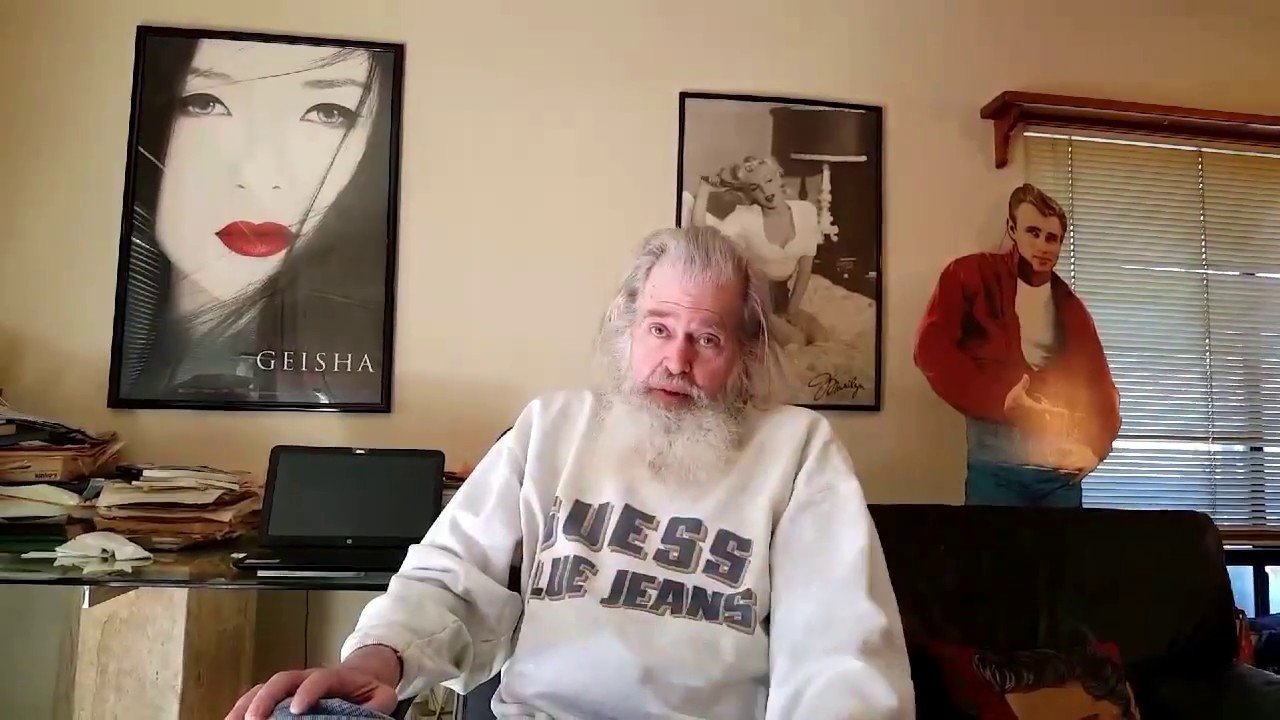
Paul Le Mat is a name that holds a special place in the history of American cinema, especially for audiences who appreciate strong character-driven performances and classic films from the 1970s and 1980s. Known for his calm screen presence, realistic acting style, and memorable film roles, he became one of the most respected actors of his generation. While he may not always be mentioned alongside the biggest Hollywood stars, his work has earned lasting admiration from critics and film lovers alike.
Many people first discovered Paul Le Mat through his unforgettable role in American Graffiti, a film that became a cultural landmark and introduced him to a global audience. His portrayal of John Milner, a tough but emotionally layered street racer, immediately showed that he was an actor with real depth. That role helped him establish a strong reputation and opened the door to a wide range of opportunities in both film and television.
Over the years, Paul Le Mat built a career based on quality rather than constant publicity. He chose roles that allowed him to show emotional honesty and believable performances. His journey is not simply a story of fame, but one of dedication, artistic integrity, and a lasting contribution to entertainment. Understanding Paul Le Mat means understanding an important chapter of Hollywood history.
Early Life and Personal Background
Paul Le Mat was born on 22 September 1945 in Rahway, New Jersey, in the United States. His early years were shaped by a working-class environment that taught him discipline, responsibility, and resilience. Unlike many actors who entered the entertainment industry through family connections, he built his own path through education, service, and determination.
He attended Newport Harbor High School and graduated in 1963. After school, he continued his education at several colleges, including San Diego City College, Cypress Junior College, Chapman College, and Los Angeles Valley College. He eventually earned an Associate of Arts degree. His educational journey showed his commitment to personal growth and learning, which later helped him develop depth as a performer.
Before entering acting full-time, Paul Le Mat served in the United States Navy during the Vietnam War era. He worked in a maritime patrol squadron and served on an SP-5B Marlin seaplane. This military experience gave him maturity and life experience that many young actors lacked. It also helped shape the grounded and authentic personality that later became visible in his screen performances.
The Beginning of His Acting Journey
After completing his military service and college studies, Paul Le Mat turned his full attention toward acting. Rather than chasing instant fame, he approached the profession seriously and focused on learning the craft properly. He trained in acting and theatre, understanding that strong preparation was necessary for a lasting career.
He studied performance techniques that emphasised realism and emotional truth. This was especially important during the 1970s, when Hollywood was moving away from overly dramatic performances and embracing more natural acting styles. Paul Le Mat fit perfectly into this new wave of cinema because he brought subtle emotion and believable character work to every scene.
His early career included small television appearances and supporting roles that allowed him to gain experience. One of his earlier projects included the television pilot Firehouse in 1973. Although it was not a major breakthrough, it gave him valuable industry exposure and helped him prepare for the opportunity that would soon change his life completely.
Breakthrough Role in American Graffiti
The role that transformed Paul Le Mat’s career came in 1973 with George Lucas’s film American Graffiti. This coming-of-age drama followed a group of teenagers during one summer night in early 1960s California. The film became a major commercial and critical success and is now considered one of the most important youth films ever made.
Paul Le Mat played John Milner, a skilled street racer with a cool exterior and hidden emotional complexity. Milner was not simply the tough guy of the group; he was a symbol of change, uncertainty, and the fear of growing older. Le Mat brought a quiet strength to the role that made the character feel real and unforgettable.
His performance earned him the Golden Globe Award for New Star of the Year – Actor. This recognition placed him firmly in Hollywood’s spotlight and proved that he was much more than a one-film success. Even today, many people still connect the name Paul Le Mat first with John Milner, showing how powerful and lasting that performance truly was.
Success After American Graffiti
After the massive success of American Graffiti, Paul Le Mat quickly found himself in demand for leading roles. One of his next major films was Aloha, Bobby and Rose, where he played Bobby, a young man caught in a dramatic and emotional love story. The film performed well and helped confirm that he could succeed beyond one famous character.
He also starred in Handle with Care, later known as Citizens Band, directed by Jonathan Demme. This film gave him the chance to show a different side of his acting talent. Instead of relying on his tough image, he delivered a more emotionally layered and humorous performance that proved his range as an actor.
Another important milestone came with Melvin and Howard, where he played Melvin Dummar. The film explored the unusual real-life story connected to billionaire Howard Hughes. Le Mat’s performance was praised for its realism and emotional depth, and he received another Golden Globe nomination. This period showed that he was not only a rising star but also a serious dramatic actor.
Television Work and The Burning Bed
While many film actors struggle to succeed on television, Paul Le Mat managed the transition with confidence and skill. Television gave him opportunities to take on more emotionally intense and complex roles, often in stories based on real-life issues. His natural acting style worked especially well in serious television dramas.
One of his most powerful television performances came in The Burning Bed, where he starred opposite Farrah Fawcett. The film told the true story of domestic abuse and became one of the most talked-about television films of its time. Paul Le Mat played Mickey Hughes, a difficult and deeply troubling character whose behaviour drives the emotional conflict of the story.
This role required courage because it meant portraying someone unlikeable in a deeply serious subject. His performance was convincing and powerful, helping make the story believable and emotionally impactful. He won a Golden Globe Award for Best Actor in a Television Film or Miniseries, proving once again that his talent extended far beyond cinema.
Cult Films and Later Career Roles
As Hollywood changed during the 1980s and 1990s, Paul Le Mat adapted by taking on a wider variety of roles, including projects that later became cult favourites. One of the most notable examples was Puppet Master, where he played Alex Whitaker. Although different from his earlier dramatic work, the film found a strong audience and became a long-running franchise.
This willingness to move between serious drama and genre films made his career especially interesting. Some actors become trapped in one style of role, but Paul Le Mat showed flexibility. Whether in independent films, thrillers, horror films, or television series, he always brought credibility to the character.
He also appeared in films such as American History X and television productions like Lonesome Dove: The Series. These later roles may not have received the same level of mainstream attention as American Graffiti, but they demonstrated his consistency as a working actor and his commitment to meaningful performances throughout his career.
Personal Life and Family
Away from the screen, Paul Le Mat preferred a quieter and more private life. He was never known for chasing celebrity attention or living in the centre of Hollywood gossip culture. Instead, he focused more on his work and personal responsibilities, which gave him a reputation for professionalism and seriousness.
In 1978, he married Suzanne de Passe, a highly respected producer and entertainment executive known for her important work in television and film. Their marriage connected two creative individuals from different parts of the entertainment industry. Together, they had three children before later divorcing.
Despite public interest, Paul Le Mat rarely made his family life a public story. This privacy reflected his personality and his approach to fame. He seemed more interested in being respected for his acting than for celebrity headlines. In many ways, this helped protect both his family life and his professional reputation.
Challenges and Public Support
Like many actors whose biggest successes came decades earlier, Paul Le Mat later faced personal and financial challenges. Reports emerged that he was dealing with health concerns and financial difficulties, leading to public support from fans and members of the entertainment community who wanted to help him during a difficult period.
This support showed how much respect people still had for him. Audiences remembered not just his famous roles, but the honesty and humanity he brought to his performances. When people support an actor years after their biggest fame, it often means that the connection was genuine and lasting.
His experience also reflects a larger truth about Hollywood. Success on screen does not always guarantee lifelong security behind the scenes. Many talented performers face difficult personal circumstances later in life. However, financial struggles do not erase artistic legacy, and Paul Le Mat’s contribution to film remains highly valuable and widely respected.
Legacy and Influence in Cinema
Paul Le Mat’s legacy is built on authenticity. He belonged to a generation of actors who focused on truth in performance rather than glamour or celebrity image. His work felt honest because he understood how to make ordinary people on screen feel emotionally real and deeply memorable.
Films like American Graffiti, Melvin and Howard, and The Burning Bed continue to be discussed because of their emotional strength and cultural importance. His performances helped these stories remain powerful long after their original release. He did not rely on flashy performances; instead, he created characters that felt believable and lasting.
Younger audiences discovering classic cinema often find Paul Le Mat especially interesting because his style feels timeless. Strong acting never becomes old-fashioned. His work proves that quiet performances can be just as powerful as dramatic ones, and that emotional honesty often leaves the deepest impression.
Why Paul Le Mat Still Matters Today
Even in today’s fast-moving entertainment world, the name Paul Le Mat still matters because his work represents quality and substance. He reminds audiences that success in acting is not only measured by fame, but also by the ability to create performances people remember decades later.
His career offers an important lesson for aspiring actors. He built his reputation through patience, training, and commitment to craft rather than chasing trends. He accepted roles that challenged him and stayed true to his artistic style, even when Hollywood changed around him.
For film historians and classic movie fans, Paul Le Mat remains an essential figure of 1970s American cinema. His journey reflects both the beauty and the complexity of an acting career. He may not always dominate headlines, but his work continues to speak for itself, and that is often the strongest legacy an actor can leave.
Conclusion
Paul Le Mat is far more than just a familiar face from classic cinema. He is an actor whose career represents dedication, authenticity, and artistic strength. From his early life in New Jersey and military service to his breakthrough role in American Graffiti, he built his success through hard work and genuine talent.
His achievements in film and television, including two Golden Globe wins and several unforgettable performances, show the depth of his contribution to entertainment. Whether playing a street racer, a troubled husband, or a complex everyday man, he brought honesty and realism to every role.
For anyone researching Paul Le Mat, the most important part of his story is not only his fame, but the quality of his work and the respect he earned across decades. His legacy remains strong because true talent never disappears. In the history of Hollywood, Paul Le Mat stands as a quiet but powerful example of what great acting really means.
You may also read: Meeting Tamaki Osaka and Facing Family Opposition