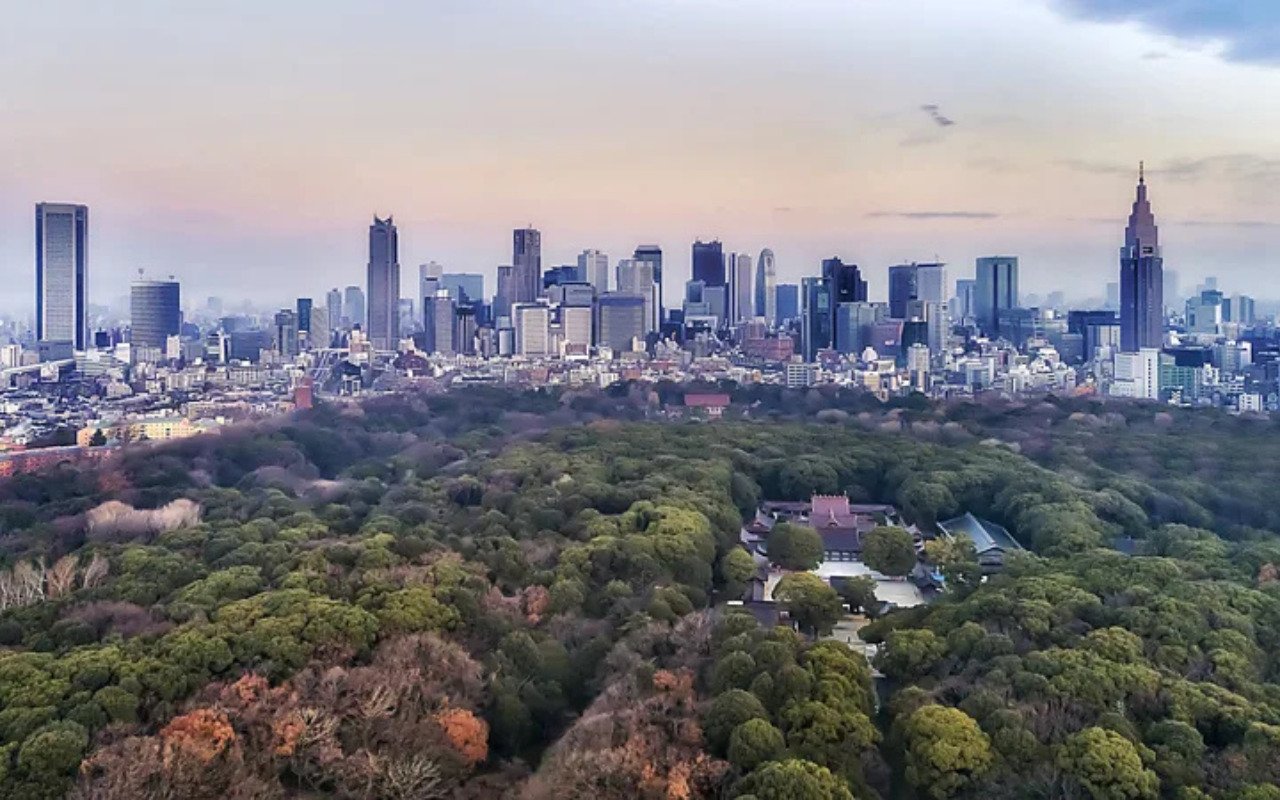
When people think of great cities, famous skylines and cultural attractions often come to mind. Yet the places that consistently rank highest for liveability tend to succeed for a different reason: they make daily routines easier.
Table of Contents
ToggleThat approach has helped Japan earn international recognition once again. In the Economist Intelligence Unit’s 2026 Global Liveability Index, Osaka ranked seventh while Tokyo climbed into 10th place, making Japan the only Asian nation with two cities in the global top 10. The rankings evaluate 173 cities across categories including stability, healthcare, education, infrastructure, and culture and environment.
Walkable Neighbourhoods Reduce Daily Hassles
Photo Credit:Getty Images
A defining feature of many Japanese cities is the way neighbourhoods are designed around daily needs rather than long commutes.
Residents can often reach supermarkets, pharmacies, schools, cafés and essential services within a short walk or bicycle ride. Instead of concentrating shopping in large retail districts, many communities maintain local shopping streets that support both businesses and residents while reducing dependence on cars.
This layout makes routine errands quicker and encourages people to spend more time within their own communities.
Public Transport Connects Nearly Every Journey
Japan’s rail and public transport systems remain one of the country’s greatest urban strengths.
Major cities are linked by extensive networks of trains, subways and buses that operate frequently and reliably, allowing millions of people to commute without owning a private vehicle. Stations are typically integrated with commercial areas, making transfers between transport and daily activities straightforward.
Strong transport infrastructure also contributes to lower congestion and provides greater mobility for people of different ages and income levels.
Accessibility Is Built Into Public Spaces
Another characteristic of Japan’s best-performing cities is their focus on accessibility.
Many railway stations include elevators, tactile paving for visually impaired passengers and step-free routes designed to accommodate wheelchair users, parents with strollers and elderly residents. Sidewalk improvements, clear signage and barrier-free public facilities have become increasingly common as cities adapt to an ageing population.
These investments improve independence while making public spaces easier to use for everyone.
Reliable Infrastructure Supports Quality of Life
The Global Liveability Index measures more than transport alone. Infrastructure, healthcare, education and public safety all contribute to how comfortably residents can live.
Japan continues to perform strongly across these areas, with its cities benefiting from dependable public services, well-maintained infrastructure and relatively high levels of personal safety. These strengths helped Osaka and Tokyo maintain competitive positions among cities worldwide.
Why Liveability Matters
As cities around the world grapple with population growth, housing pressures and climate challenges, urban planners are increasingly looking beyond iconic buildings and large-scale developments.
Japan’s experience suggests that improving everyday life often depends on practical decisions: ensuring neighbourhoods remain walkable, maintaining efficient public transport, designing accessible public spaces and investing consistently in essential infrastructure.
While every city faces different challenges, these principles have helped Japan’s leading urban centres remain among the world’s most liveable places. As governments continue to rethink urban development, the focus on convenience, accessibility and community-level planning is likely to remain central to discussions about the future of city living.