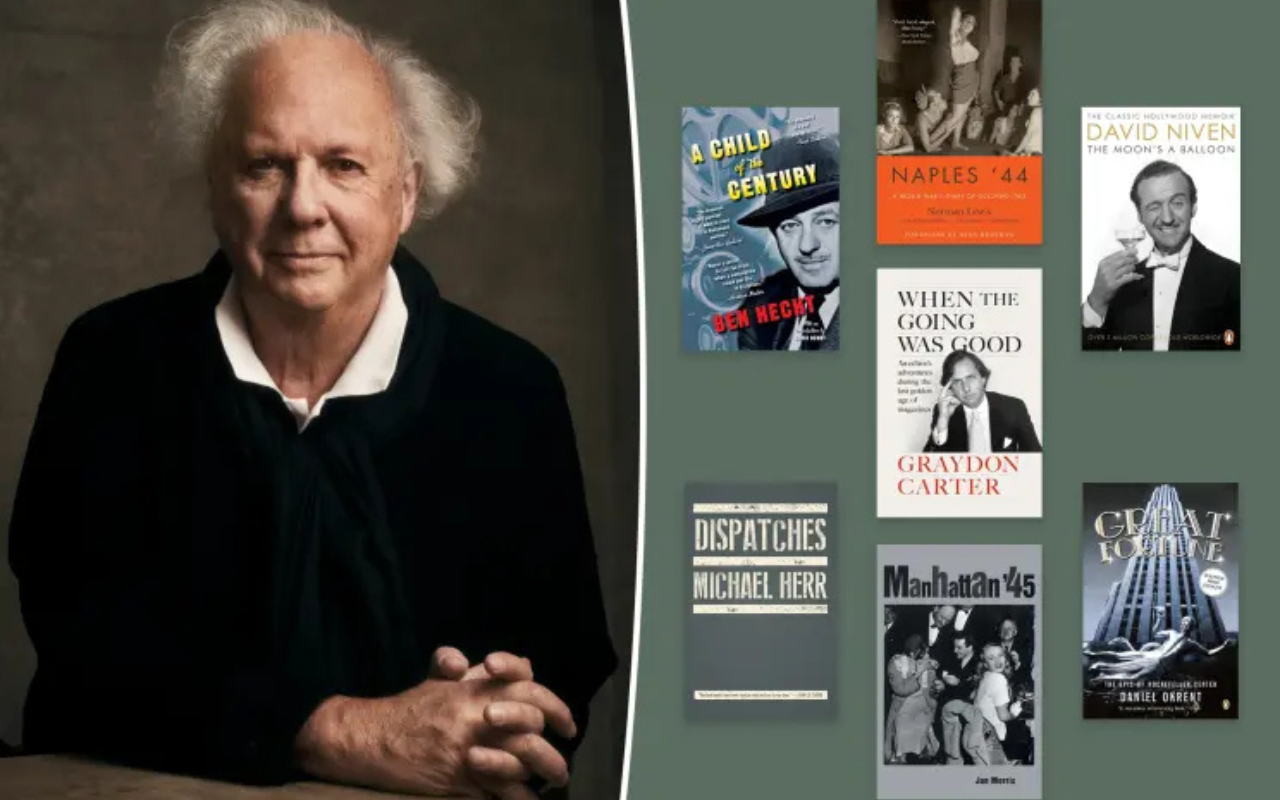
Former Vanity Fair editor Graydon Carter has shared a collection of six books that have remained personal favorites, providing readers with insight into the works that continue to inspire him long after his years leading one of America’s most influential magazines.
Table of Contents
ToggleCarter said his current reading habits are dominated by mystery novels, often finishing one or two every week. Between those thrillers, he regularly turns to nonfiction, especially books centered on the middle decades of the 20th century—a period he says continues to shape many of his interests, from literature and film to design, fashion and music. He also has a particular affection for memoirs and stories about New York during that era.
A Reading List Built Around Remarkable Lives
Among Carter’s recommendations is “Child of the Century” by Ben Hecht, a memoir that follows the celebrated journalist, screenwriter and playwright through careers in newspapers, Hollywood and Broadway. Carter praises the book for capturing the restless energy and extraordinary range of its author.
He also recommends “The Moon’s a Balloon” by David Niven, describing the actor’s autobiography as a witty and engaging account of a life that stretched from a difficult childhood in Britain to international film stardom. According to Carter, Niven’s trademark humor and honesty make the memoir an enduring pleasure to read.
Powerful Accounts of War and History
History plays a central role in Carter’s selections.
One of his choices is “Naples ’44” by Norman Lewis, a firsthand diary documenting the Allied occupation of Naples during the closing stages of World War II. Carter admires the book’s restrained yet deeply observant portrayal of a city struggling through the aftermath of conflict.
Another recommendation is “Dispatches” by Michael Herr, widely regarded as one of the defining literary accounts of the Vietnam War. Originally developed from Herr’s reporting for Esquire, the book is known for abandoning conventional war journalism in favor of an immersive narrative style that reflects the confusion and intensity experienced by those on the ground.
Celebrating the Story Behind Iconic Places
Carter’s list also includes “Great Fortune” by Daniel Okrent, a detailed history of the creation of Rockefeller Center.
He highlights the book’s exploration of the ambition, financial risk and determination required to build one of New York City’s most recognizable landmarks during the Great Depression. Rather than focusing solely on architecture, the narrative examines the people and decisions that transformed a bold vision into reality.
A Portrait of Postwar New York
Completing the collection is “Manhattan ’45” by Jan Morris, which paints a vivid picture of New York City in the months following World War II.
Carter appreciates Morris’ lyrical writing and her ability to capture a moment when New York stood at the height of its cultural, economic and international influence. The book reflects the editor’s long-standing fascination with the city’s history and the optimism that defined the immediate postwar years.
Why Carter’s Choices Stand Out
Carter’s recommendations lean heavily toward narrative nonfiction, memoirs and historical reporting rather than contemporary bestsellers. Together, they reveal an appreciation for authors who combine meticulous reporting with compelling storytelling, whether recounting personal experiences, documenting historic events or chronicling the evolution of major cultural institutions.
The list also mirrors Carter’s own career. After spending 25 years as editor of Vanity Fair, he published his memoir, “When the Going Was Good,” in 2025, reflecting on his decades in magazine journalism and the changing media landscape.
For readers looking to explore history through vivid personal narratives and richly reported nonfiction, Carter’s selections offer a carefully curated starting point. Spanning Hollywood, wartime Europe, Vietnam and New York’s golden years, the books share a common thread: memorable storytelling grounded in real lives and defining moments.