

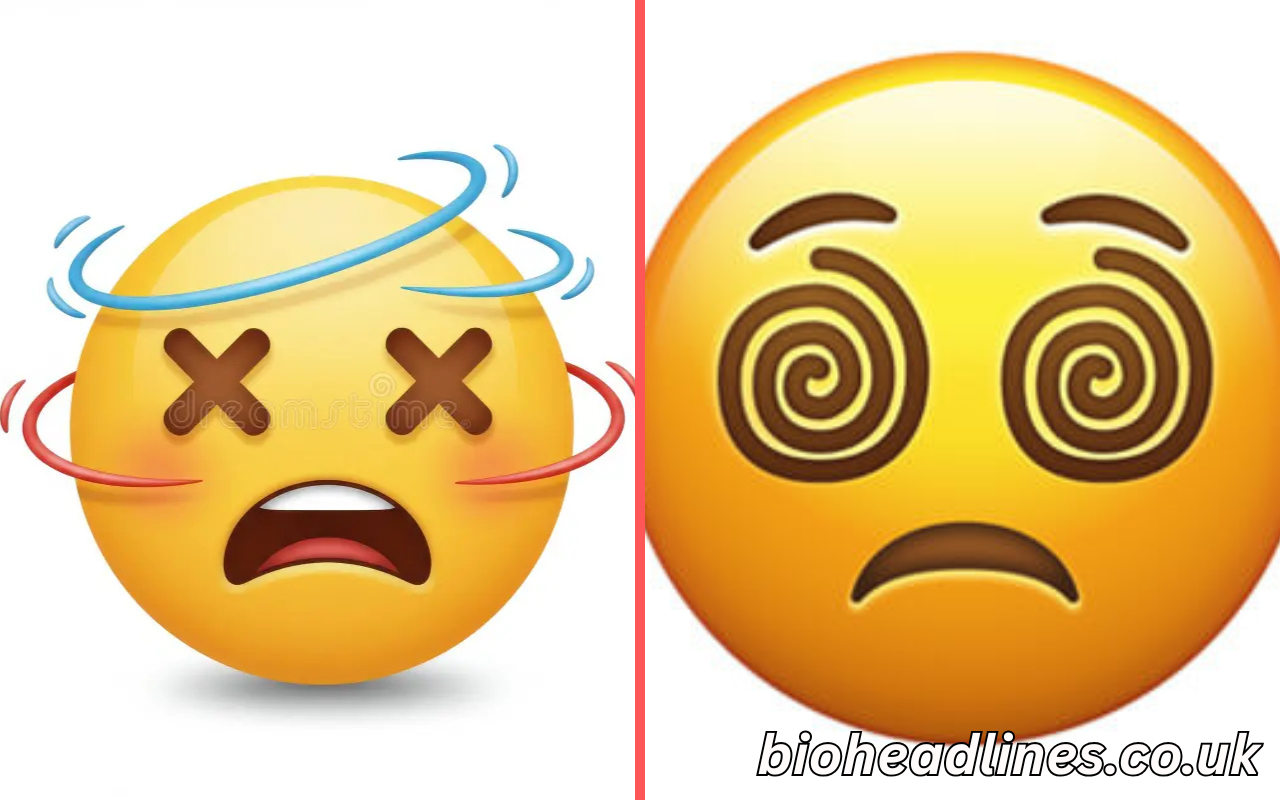
In today’s fast-paced digital world, communication has evolved far beyond plain text. Emojis have become a powerful language of their own, helping people express emotions, reactions, and subtle nuances that words alone often fail to capture. Among these expressive icons, the dizzy emoji stands out as one of the more intriguing and versatile symbols. Whether it represents confusion, shock, dizziness, or even emotional overwhelm, its meaning can shift depending on context and tone.
The dizzy emoji has gained popularity across social media platforms, messaging apps, and online communities in the UK and beyond. Its visual simplicity combined with layered interpretations makes it a fascinating subject for anyone interested in digital communication. This article explores everything you need to know about the dizzy emoji, including its meanings, origins, variations, usage in different contexts, and its growing influence in modern communication.
What Is the Dizzy Emoji?
The dizzy emoji typically appears as a small star-like symbol, often with a circular motion effect that suggests spinning or disorientation. In most platforms, it resembles a yellow or gold star with curved lines indicating movement, giving the impression that something is whirling or that a person is feeling lightheaded.
This emoji is commonly used to express feelings of confusion, shock, or dizziness. It can also indicate being overwhelmed, either emotionally or mentally. In some contexts, it may even represent admiration or being “starstruck,” especially when used in a more playful or positive tone.
The visual design of the dizzy emoji plays a significant role in its interpretation. Its swirling motion implies movement and instability, which aligns closely with feelings of imbalance or surprise. Because of this, it is often used metaphorically rather than literally.
The Meaning Behind the Dizzy Emoji
Understanding the meaning of the dizzy emoji requires looking at how it is used in everyday conversations. While it may seem straightforward at first glance, its interpretation can vary widely depending on context, tone, and accompanying text.
In many cases, the dizzy emoji represents physical dizziness. Someone might use it after describing a long day, a stressful situation, or even an intense workout. It conveys a sense of being worn out or mentally drained.
Another common meaning is confusion. When someone encounters something unexpected or difficult to understand, the dizzy emoji can help express that feeling quickly and effectively. It acts as a visual cue that the person is struggling to process information.
The emoji can also indicate emotional overwhelm. In conversations where emotions run high, such as excitement, anxiety, or shock, the dizzy emoji can amplify the message. It suggests that the person is experiencing a whirlwind of feelings.
In a lighter or more playful context, the dizzy emoji can represent being amazed or impressed. For example, someone might use it when reacting to a surprising fact, a stunning photo, or an impressive achievement. In this sense, it takes on a more positive and enthusiastic meaning.
The Evolution of the Dizzy Emoji
Emojis have come a long way since their early days, and the dizzy emoji is no exception. Originally introduced as part of the Unicode standard, emojis were designed to provide a universal way of expressing emotions across different devices and platforms.
The dizzy emoji was inspired by visual cues commonly seen in cartoons and animations. In these contexts, stars circling around a character’s head often indicate that they are dazed or stunned. This imagery was adapted into emoji form, making it instantly recognisable to users around the world.
Over time, the meaning of the dizzy emoji has expanded beyond its original intent. As people began using it in creative and varied ways, it developed new interpretations. Today, it is not limited to physical dizziness but encompasses a wide range of emotional and mental states.
In the UK, as in many other regions, the evolution of emoji usage has been influenced by social media trends, cultural shifts, and generational preferences. Younger users, in particular, have played a key role in redefining how emojis like the dizzy emoji are used.
How the Dizzy Emoji Is Used in Everyday Communication
The versatility of the dizzy emoji makes it suitable for many different types of conversations. In casual messaging, it is often used to add emphasis or emotion to a statement. For example, someone might describe a busy day at work and include the emoji to highlight how overwhelming it felt.
In social media posts, the dizzy emoji can serve as a reaction to surprising or exciting content. It helps convey a sense of awe or disbelief in a visually engaging way. This makes it particularly popular on platforms like Instagram, Twitter, and TikTok.
In more humorous contexts, the emoji can be used to exaggerate a situation. For instance, someone might use it after a confusing conversation or a complicated explanation to indicate that they are completely lost. This adds a playful tone to the message and makes it more relatable.
The emoji is also commonly used in conversations about mental or emotional states. When someone feels stressed, overwhelmed, or emotionally drained, the dizzy emoji provides a quick and effective way to communicate those feelings without needing a lengthy explanation.
Cultural Significance of the Dizzy Emoji in the UK
In the UK, digital communication has become an essential part of daily life, and emojis play a central role in shaping how people interact online. The dizzy emoji reflects broader trends in how emotions are expressed in a fast-paced, text-based environment.
British humour often involves understatement and subtlety, and the dizzy emoji fits well within this style. It can be used to convey a sense of irony or mild exaggeration without being overly dramatic. This makes it a popular choice among UK users who appreciate nuanced communication.
The emoji also aligns with the growing emphasis on mental health awareness. By providing a simple way to express feelings of overwhelm or stress, it contributes to more open and honest conversations about emotional well-being.
In addition, the dizzy emoji has become part of internet culture in the UK, appearing in memes, viral posts, and trending hashtags. Its adaptability allows it to fit into a wide range of contexts, from serious discussions to light-hearted banter.
Differences Across Platforms
One interesting aspect of the dizzy emoji is how its appearance can vary slightly across different platforms. While the core design remains consistent, each platform may add its own stylistic touches.
Some versions of the emoji appear more vibrant and animated, while others are more minimalistic. These differences can influence how the emoji is perceived and used. For example, a more dynamic design might emphasise movement and intensity, while a simpler version might feel more subtle.
Despite these variations, the overall meaning of the dizzy emoji remains largely consistent. Users are generally able to recognise and interpret it correctly regardless of the platform they are using.
When to Use the Dizzy Emoji
Knowing when to use the dizzy emoji can enhance your communication and make your messages more engaging. It works particularly well in situations where you want to express a strong emotional reaction without using too many words.
In conversations about stress or exhaustion, the emoji can help convey how you are feeling in a relatable way. It adds a human touch to your message and makes it easier for others to understand your experience.
When reacting to surprising or impressive content, the dizzy emoji can amplify your response and make it more expressive. It shows that you are genuinely impressed or taken aback.
The emoji can also be used in humorous situations to add a playful tone. By exaggerating a sense of confusion or overwhelm, it creates a light-hearted atmosphere that encourages engagement.
Common Misinterpretations
Like many emojis, the dizzy emoji can sometimes be misunderstood. Because it has multiple meanings, its interpretation depends heavily on context. Without clear context, it may be difficult for the recipient to understand the intended message.
For example, someone might use the emoji to express admiration, while another person interprets it as confusion. This highlights the importance of considering how your message might be perceived by others.
To avoid misunderstandings, it is helpful to pair the emoji with clear text. This ensures that your intended meaning is communicated effectively and reduces the risk of confusion.
The Role of Emojis in Modern Communication
The rise of emojis has transformed the way people communicate, and the dizzy emoji is a prime example of this shift. Emojis allow for more expressive and efficient communication, bridging the gap between text and emotion.
They also help convey tone, which can be difficult to interpret in written messages. By adding a visual element, emojis make it easier to understand the intent behind a message.
In professional settings, emojis are increasingly being used to create a more approachable and friendly tone. While their use should be appropriate and measured, they can enhance communication when used correctly.
The dizzy emoji, with its wide range of meanings, demonstrates how a single symbol can convey complex emotions and ideas. Its continued popularity reflects the growing importance of visual communication in the digital age.
Future Trends and the Dizzy Emoji
As digital communication continues to evolve, the role of emojis is likely to expand even further. New meanings and interpretations will continue to emerge as users find creative ways to express themselves.
The dizzy emoji is well-positioned to remain relevant due to its versatility and recognisability. Its ability to adapt to different contexts ensures that it will continue to be a valuable tool for communication.
In the UK, where digital trends often blend global influences with local culture, the dizzy emoji is likely to remain a staple of online interaction. Its role in expressing emotion, humour, and relatability makes it an enduring part of the digital language.
Conclusion
The dizzy emoji is far more than a simple symbol. It represents a dynamic and evolving form of communication that reflects the complexities of human emotion. From expressing confusion and overwhelm to conveying excitement and admiration, it offers a wide range of meanings that can enhance any conversation.
In the UK and beyond, the dizzy emoji has become an integral part of digital communication. Its adaptability, cultural relevance, and visual appeal make it a powerful tool for expressing emotions in a fast-paced, text-driven world.
By understanding its meanings and uses, you can incorporate the dizzy emoji into your own communication in a way that is both effective and engaging. As emojis continue to shape the future of communication, the dizzy emoji stands out as a symbol of how language is evolving in the digital age.
You may also read: Linguistic Beauty and Pronunciation